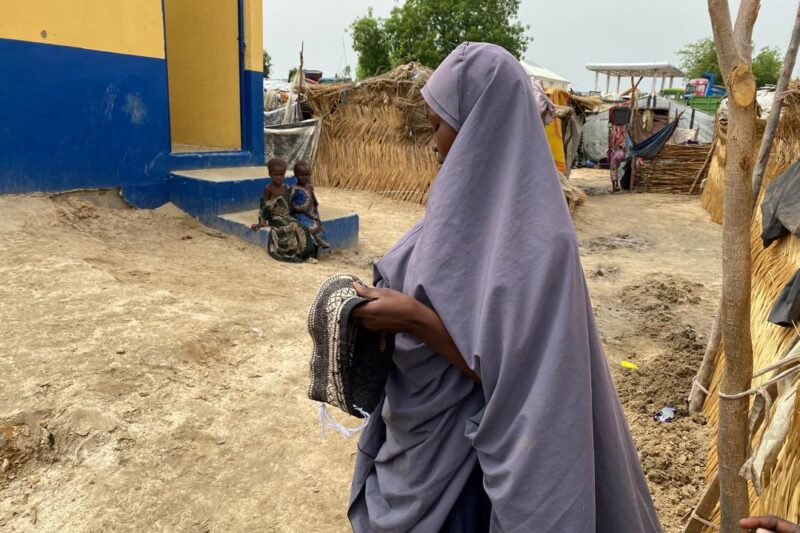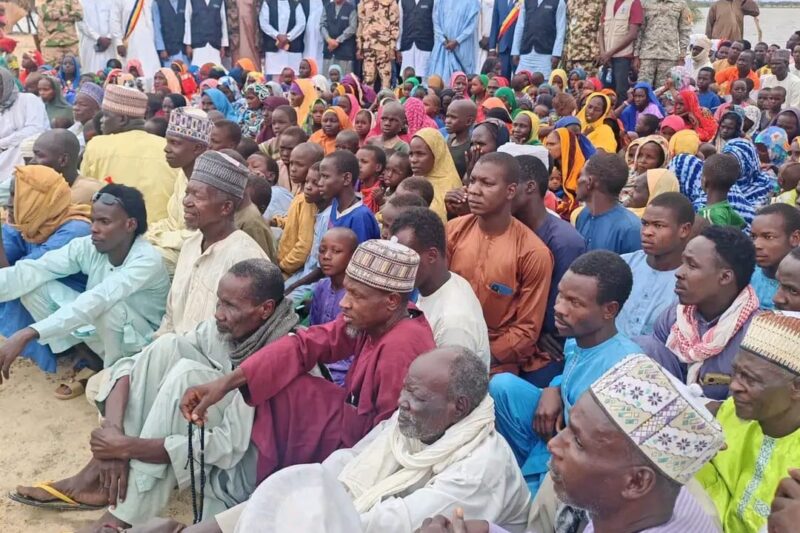
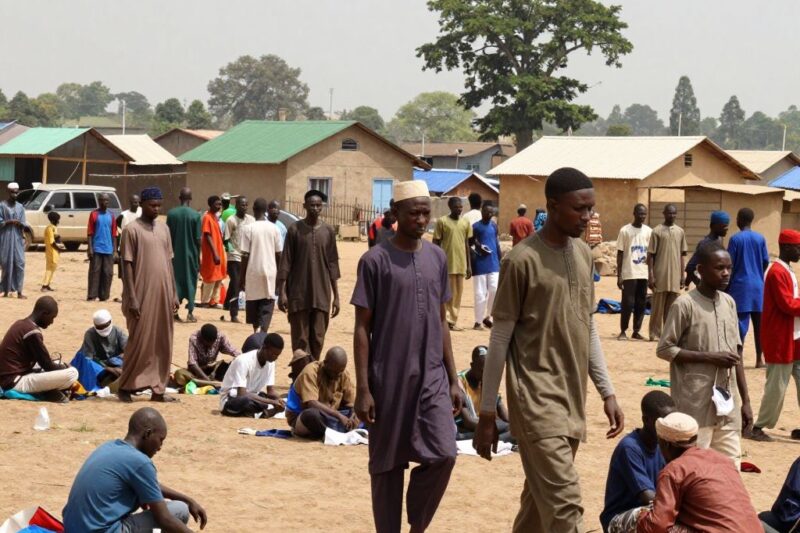
Residents of villages surrounding Magumeri in Borno State, Northeast Nigeria are fleeing into the town following a surge in insurgent attacks, kidnappings, and the disruption of farming activities.
Displacement Crisis in Northeast Nigeria
According to the latest International Organization for Migration (IOM) Displacement Tracking Matrix (DTM), Round 49, a total of 2,252,348 internally displaced persons were identified across Nigeria’s conflict-affected northeastern states (source). This shows that the displacement wave affecting Magumeri is part of a broader, ongoing humanitarian crisis.
Furthermore, reports show that Nigeria had about 3.4 million internally displaced persons nationwide as of the end of 2023, with roughly half of those displacements occurring in areas like Borno State (source). This overall displacement burden helps explain why towns such as Magumeri, which are relatively safer or semi-stable, are seeing an influx of displaced villagers from surrounding rural communities.
Alkali Abatcha, who fled from Kurmuri village, said insurgents frequently rode in on motorcycles to attack their homes. “Many people, too many to count, have been kidnapped and forced to pay ransom,” he said. “What we farm cannot be taken home. Our means of livelihood is gone, so we felt it was better to leave.”
Displaced Families Seek Refuge in Magumeri
Now in Magumeri, Abatcha said he has been appealing to residents to offer him temporary shelter. He is among dozens arriving daily from surrounding villages.
Mallam Bukar, a resident of the magumeri town, said people from communities such as Titiya, Kurmuri, Sheruri, Kutuwajiri, Bornori, Sainari, Malumti, Matari, Mataramti, Mallai Adamti, Bulamara, Gadannam, Kurai, Kuarabari, Alikoriri, Buremti, Adamti, Charawari, Lawanti, and many others have been arriving since the attacks intensified. “Some have already reached Magumeri while others are on their way,” he said. “I have given an empty space behind my house to 15 people. Other residents are doing the same until things become normal.”
“Some even go further and continue straight to Maiduguri because they feel there is no space or they are still afraid. The ones who stay here either stay with their relatives, rent small houses, or build local huts just to have somewhere to sleep.”
Bukar added that residents have counted “roughly about 300 people already staying in Magumeri now after leaving their villages,” showing how rapidly the influx is growing.
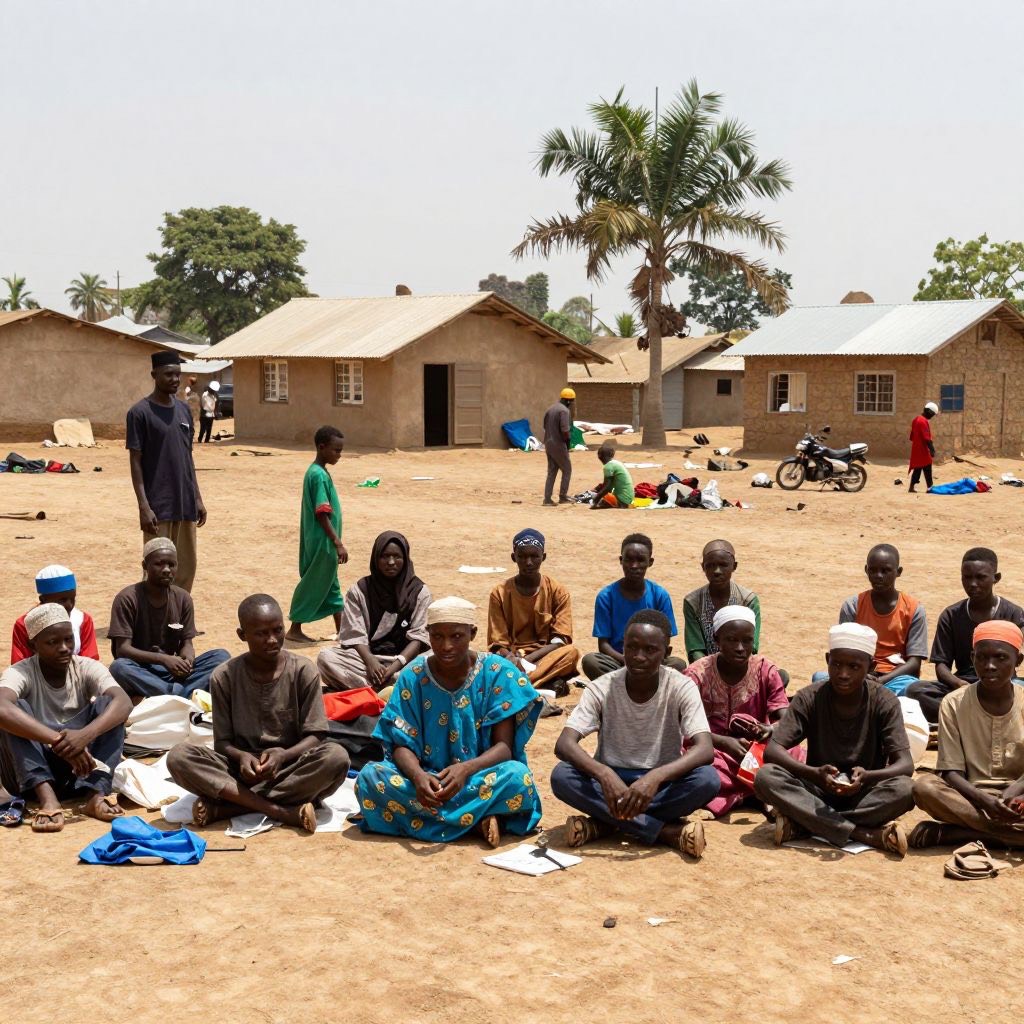
Struggling With Shelter, Water, and Food
Bukar noted that the influx has overwhelmed the town’s limited resources. Displaced families are battling poor shelter conditions, scarcity of water, and food shortages as they adjust to life away from their homes.
Humanitarian assessments show that in 2025, an estimated 5.2 million people in Borno, Adamawa, and Yobe states require urgent water, sanitation, and hygiene assistance, with only about two-thirds of households reporting access to improved water sources(source). At the same time, up to six million people across those states are projected to face acute food insecurity during the lean season, as conflict, displacement, and disrupted farming cut off livelihoods (source).
Recent UNICEF assessments further highlight the challenges faced by displaced populations in accessing clean water and sanitation facilities (source).
CJTF Confirms Mass Relocation Following Farmer Abductions
The Civilian Joint Task Force (CJTF) in Magumeri confirmed the mass movement. Modu Kakajajjaye, secretary of the local unit, said insurgents have intensified attacks on farmers, often waiting for them to gather their produce before targeting them. “The recent abduction of 13 farmers triggered this relocation,” he said.
He added that security personnel are working on measures to protect communities. “We are making plans which I cannot disclose, but a solution will be found. It is our responsibility,” he said, urging the government to act swiftly and calling on residents to pray for security forces.
Rukaiya Ahmed Alibe