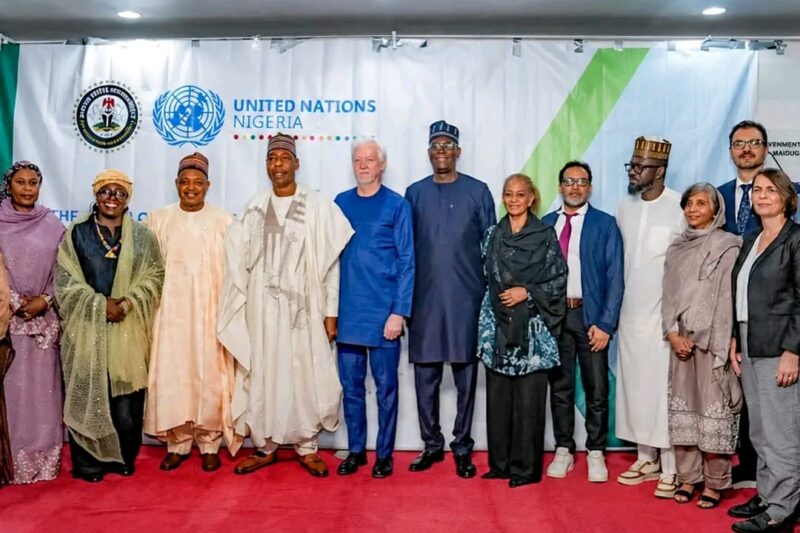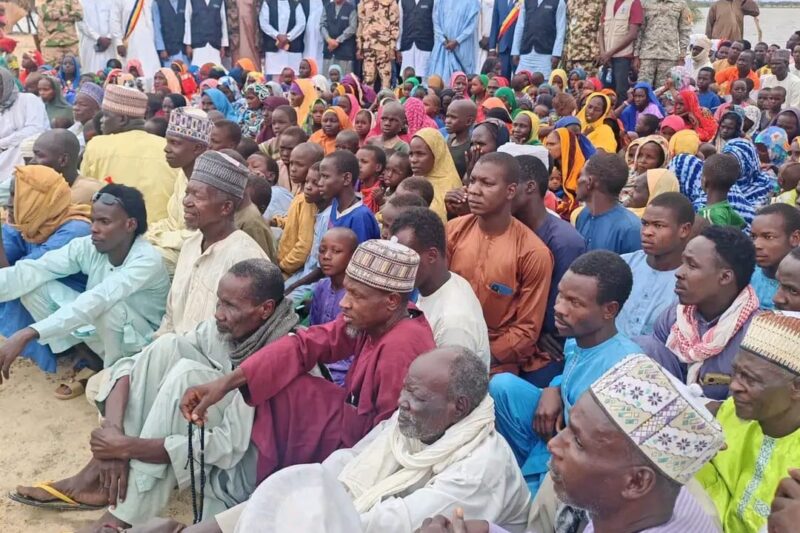
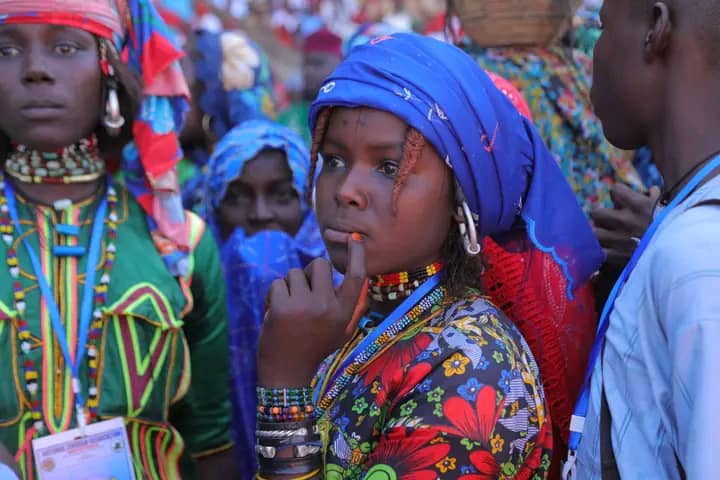
Maiduguri, January 2, 2026 – In a powerful display of transnational solidarity transcending modern political boundaries, thousands of Kanuri people from across Africa and beyond gathered in Maiduguri, Borno State, for the second Biennial Kanem-Borno Cultural Summit. Held under the theme “Echoes of Resilience: Harnessing Culture for Peace and Regional Stability,” the event reaffirmed the enduring bonds of the Kanuri ethnic group, rooted in the legendary Kanem-Borno Empire – one of Africa’s most enduring civilizations.
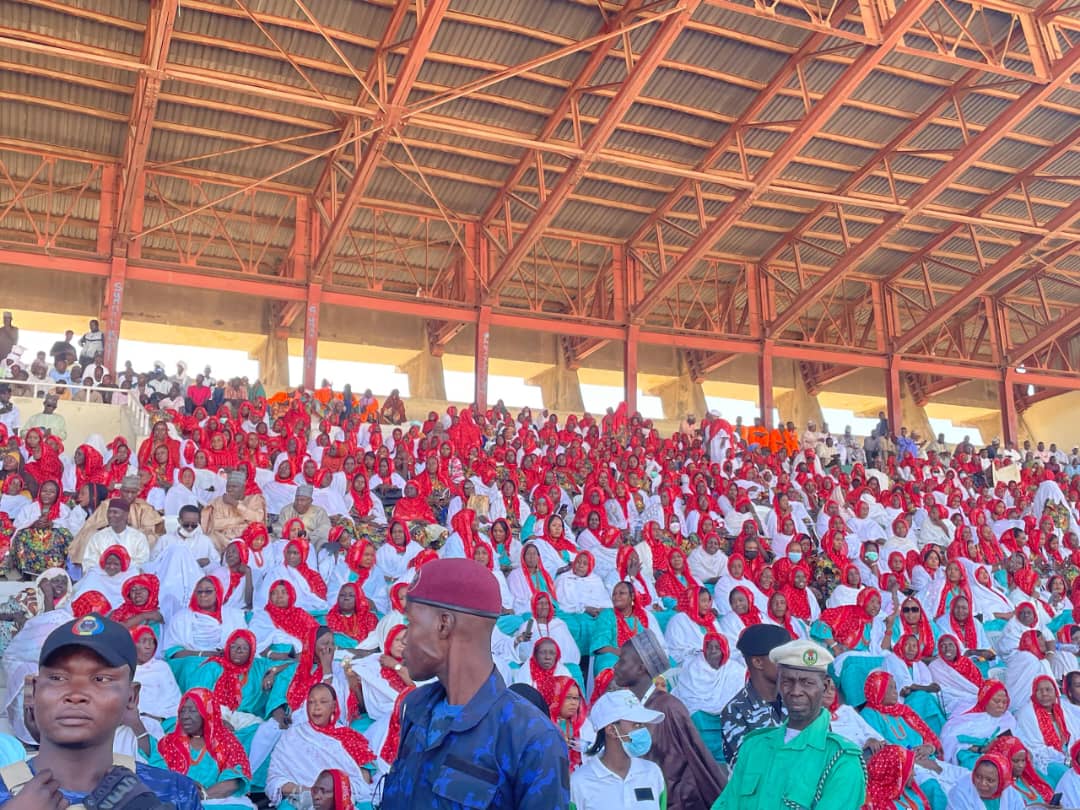
Together for one purpose
The summit, hosted by Borno State Governor Babagana Umara Zulum, brought together 161 emirs, senior government officials, and large delegations from countries including Ghana, Sudan, Gabon, Niger, the Central African Republic, Senegal, Libya, Chad, Cameroon, and Benin. This diverse assembly highlighted centuries-old kinship networks, emphasizing collective development and the preservation of the Kanem-Borno legacy for future generations.
Participants delved into critical collaborations in education, entrepreneurship, and socio-economic advancement, while vibrant cultural performances – including traditional dances and heritage displays from various contingents – infused the event with colour and celebration, showcasing the rich diversity of Kanuri culture across the continent.
The historic Kanem-Borno Empire, which thrived for over a millennium from the 9th to the 19th century around the Lake Chad Basin, once spanned territories now part of Nigeria, Chad, Niger, Cameroon, and Libya, making it one of Africa’s longest-lasting and most influential powers.
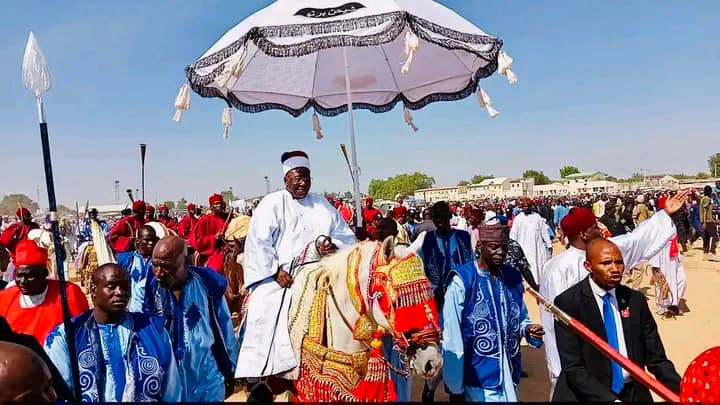
“We didn’t allow political boundaries to separate us”
His Eminence, the Shehu of Borno, Alhaji Dr. Abubakar Ibn Umar Garbai Al-Amin El-Kanemi – the traditional and spiritual leader of Kanuri people worldwide – addressed the gathering with a beaming smile, calling for unwavering unity, tolerance, and regional stability. “We are all one,” he declared. “We didn’t allow political boundaries to separate us in the past, and we will never allow that forever.”
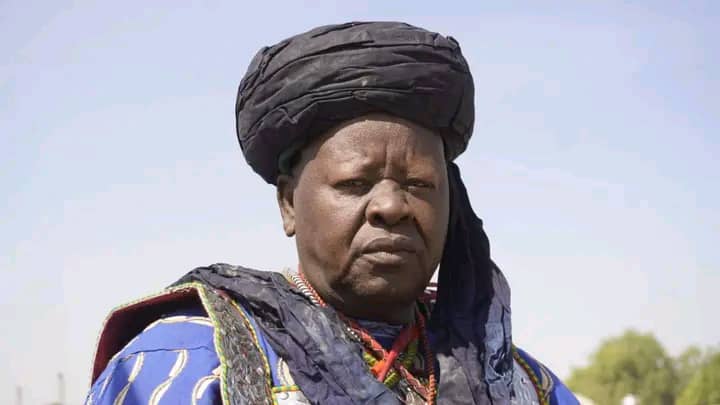
“Western-educated parents rarely speak Kanuri at home”
Professor Mahdi Ali, representing Kanuri communities from Cameroon, raised alarms about cultural extinction, noting that many Western-educated parents rarely speak Kanuri at home. He urged communities in Niger, Chad, and Cameroon – which he described as “lagging behind” – to prioritize formal education for their children. Additionally, he highlighted the lack of Kanuri representation in government and politics, stressing that this must change to drive meaningful development.
Scholarships announcement
In response, Governor Zulum of Borno State, speaking in the Kanuri language, encouraged prioritizing educational exchanges, economic partnerships, and social initiatives to uplift Kanuri communities globally. In a landmark announcement, he awarded scholarships to 150 students from countries historically part of the Kanem-Borno Empire, framing it as a vital step toward stronger unity and fraternity.
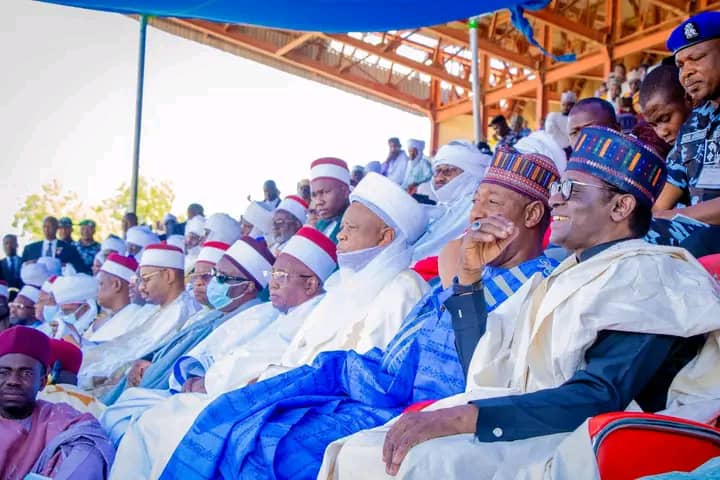
Dignitaries from with and outside
Chad’s President Mahamat Idriss Déby Itno was represented by the Governor of Lac Province, Major General Saleh Haggar Tidjani. Other prominent attendees included Yobe State Governor Mai Mala Buni, Nigeria’s former Vice President Ambassador Babagana Kingibe; Sultan of Sokoto Alhaji Muhammadu Sa’ad Abubakar III; and Senators Mohammed Tahir Monguno, Mohammed Ali Ndume, and Barrister Kaka Shehu Lawan.
The summit also featured members of the House of Representatives, Speakers of the Borno and Yobe State Houses of Assembly, numerous emirs and traditional rulers from across Nigeria, Borno State Assembly members, commissioners, and senior government officials.
The event concluded on a high note with grand cultural exhibitions, prayers for peace and prosperity, and spectacular horse riding displays, underscoring the Kanuri people’s resilient spirit amid regional challenges like insecurity.
This gathering not only celebrated shared heritage but also positioned culture as a tool for fostering lasting peace and stability in the Lake Chad region and beyond.