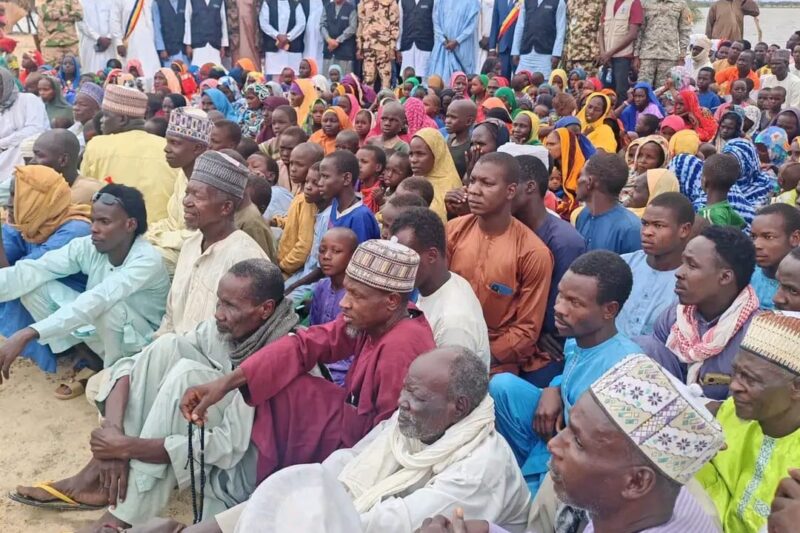

The devastating impact of 15 years of violence in Nigeria’s northeast has left 6.4 million children under five facing acute malnutrition, the International Committee of the Red Cross (ICRC) reports. The humanitarian crisis is worsening, with food insecurity spreading across the Northeast, Northwest, and North Central regions.
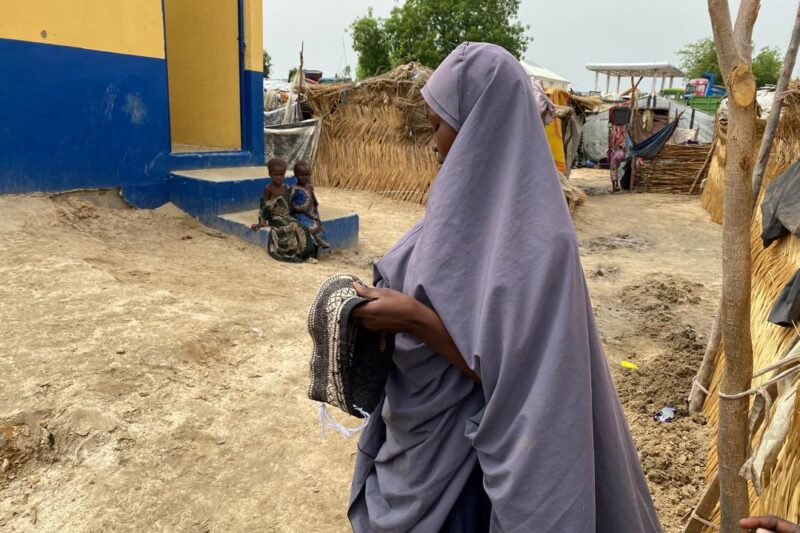
Zainab’s 22-month-old son Umar was barely conscious when she rushed him to a nutritional centre in Damaturu, Yobe State. The child had severe swelling due to nutritional edema, a life-threatening condition caused by prolonged lack of nutrients. “I thought I was going to lose him,” Zainab said. Umar’s story is just one of many, as displacement and loss of livelihoods push families into food insecurity.
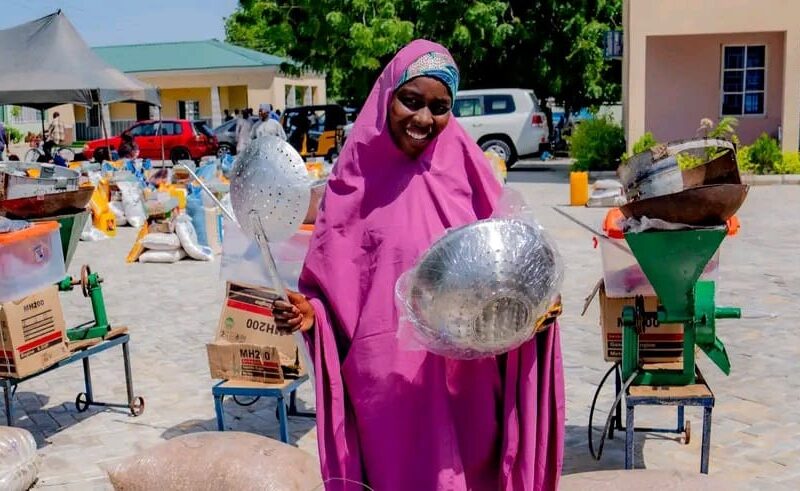
The ICRC warns that medical treatment alone can’t resolve the crisis. The organisation combines nutrition treatment with livelihood support, clean water, and seasonal assistance to help families cope. Despite reaching hundreds of thousands in 2025, needs remain high due to insecurity, displacement, and funding constraints.
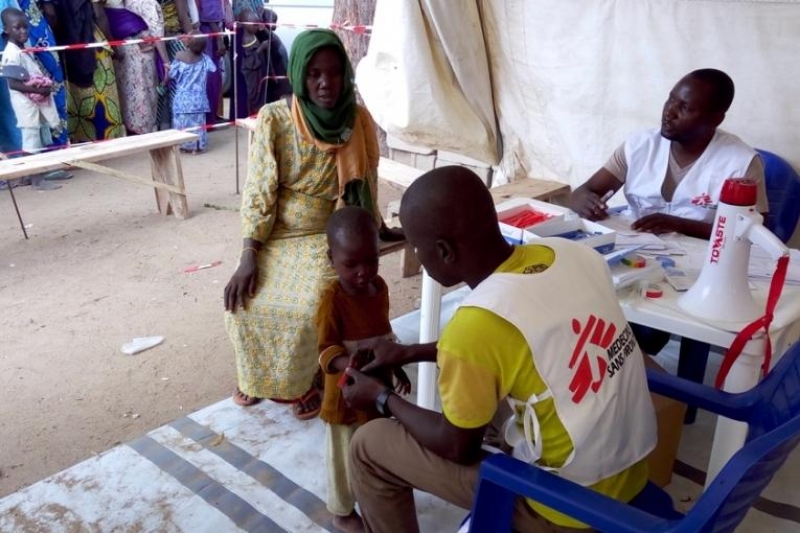
In Borno, Adamawa, and Yobe states, over 348,000 people received treatment for severe acute malnutrition, while 125 communities benefited from nutrition interventions. The ICRC stresses that addressing the root causes – conflict, poverty, and food shortages – is key to ending the cycle of hunger.
For displaced mother Fatima, agricultural support and cash assistance brought relief. “We harvested enough corn, rice, and vegetables to feed the children three times a day,” she said. Stories like hers offer hope, but the ICRC warns that more is needed to tackle the crisis gripping northern Nigeria.