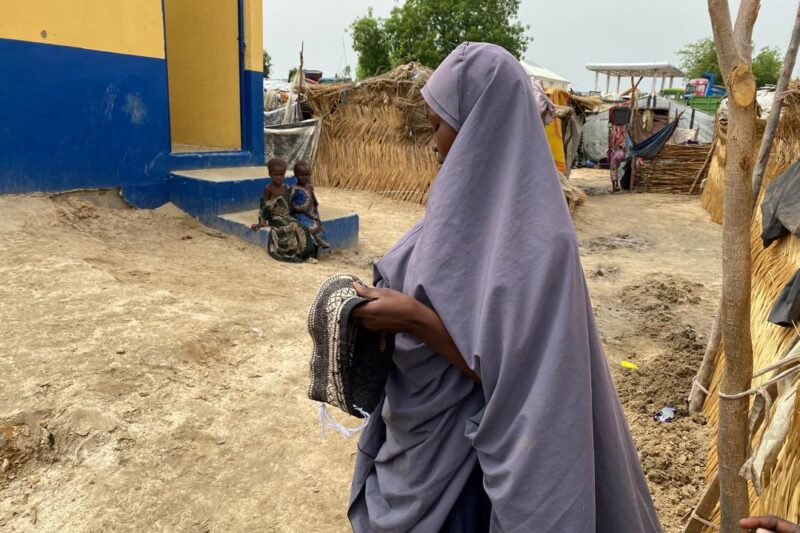
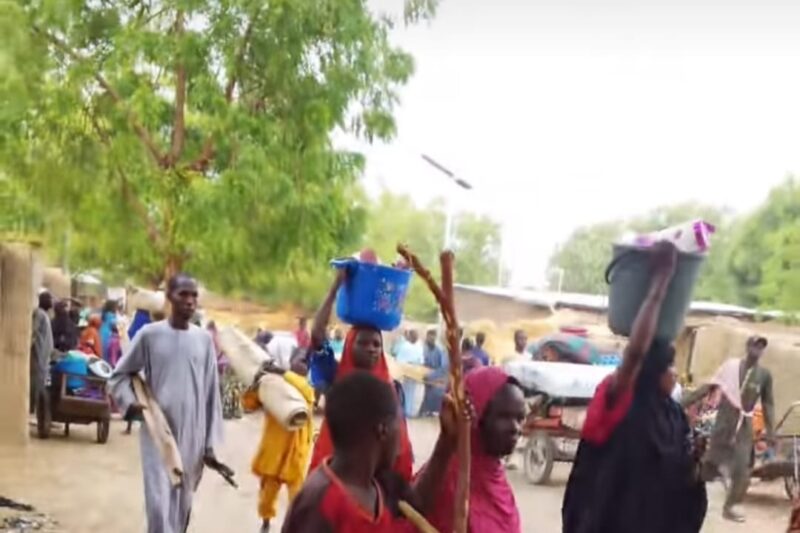
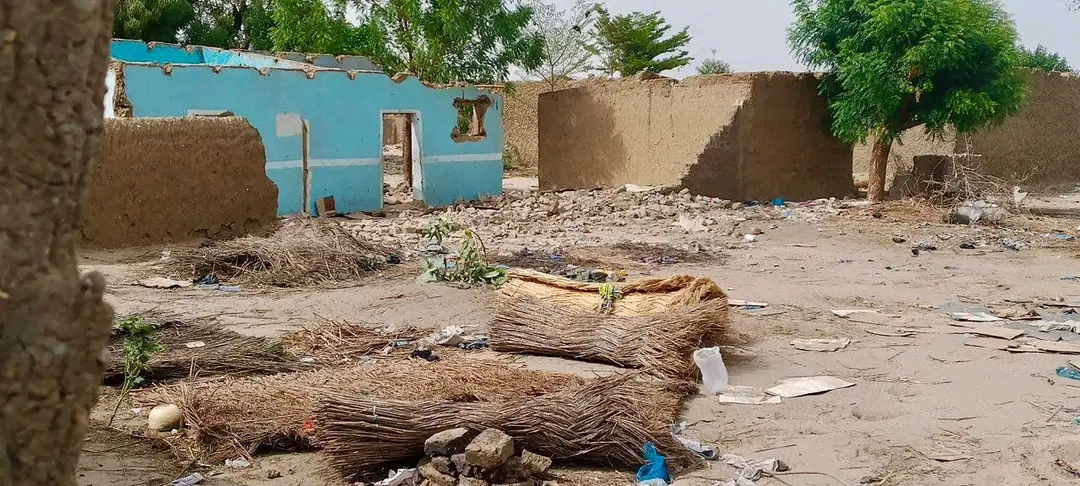
In the wake of a deadly Jihadists attack that claimed the life of a military commander and several soldiers on April 12, 2026, residents of Ganari community in Monguno Local Government Area have alleged that Nigerian troops demolished hundreds of homes, rendering over 1,500 civilians homeless without prior notice.
The operation, which reportedly began around 10:00 pm on Sunday, April 12, has left families—including women, children, and the elderly—stranded in open spaces or seeking temporary shelter with relatives, exacerbating the hardship of people already displaced multiple times by years of insurgency.
Residents Left Homeless
A resident, Yetcha (not her real name), who was displaced nearly a decade ago by jihadists with her four children, described the scene as chaotic and devastating. She accused the military of setting homes ablaze and bulldozing structures without evacuation warnings.
“They are just destroying and setting ablaze people’s homes without even giving evacuation notice,” she said. According to her account, several people died when buildings collapsed on them or were trapped in fires, including children. In one incident, at least three people died in a single house, while a mother and her child, along with two other children in separate homes, were also reported killed. Many others sustained severe injuries.
Most affected families remain homeless, with limited options for relocation in the already strained town, which serves as a hub for both locals and internally displaced persons (IDPs).
Another resident noted that civil-military relations in the area had previously been cordial. However, trust began to erode following the recent killing of the military commander in Monguno. “Prior to the death of the commander, things were fine,” he said. “But now the relationship is fragile, and lack of trust in the military is growing. We don’t know what changed, and nobody has explained anything to us. We need an explanation because we can’t continue like this.”
The demolitions targeted Ganari, a community located about three kilometers from Monguno town headquarters. Reports indicate that over 500 homes were affected, with some residents desperately removing roofing sheets and valuable materials from their houses in a last-minute bid to salvage possessions before the structures were razed.
Call for Independent Investigation
The affected population includes many who have endured repeated displacement due to the prolonged armed conflict. Critics, including human rights groups, have described the tactic as having a severe impact on civilians and called for an independent investigation into the operations, urging the Nigerian government to prevent further forced displacements during counter-insurgency efforts.
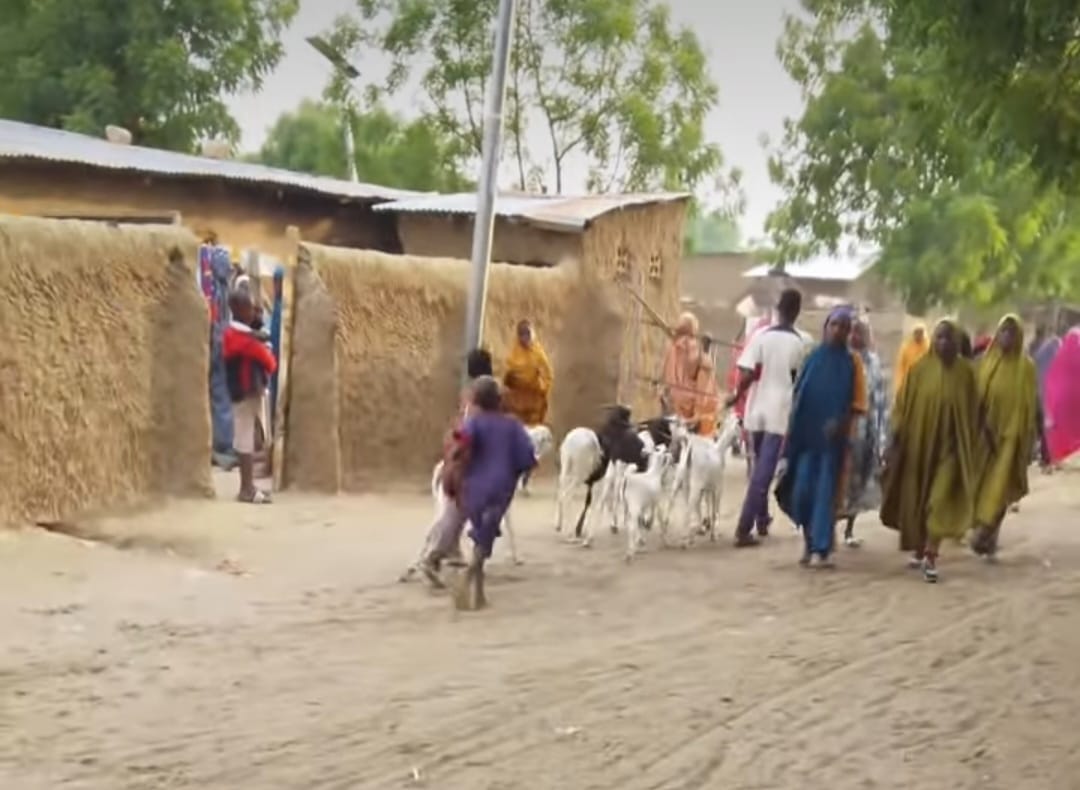
Protection of civilians and strengthen military-civilian relations
In response to the broader security challenges, Senator Tahir Monguno (Borno North), who serves as the Chief Whip of the Senate, moved a motion in the upper chamber. While commending the military’s sacrifices in the fight against insurgency, he urged the armed forces to prioritize the protection of civilians and strengthen military-civilian relations to rebuild public confidence.
The senator also called on local communities to remain vigilant, law-abiding, and cooperative by sharing useful intelligence with security agencies. Additionally, he appealed to the Federal Government and relevant authorities to provide immediate emergency relief interventions to bring succour to affected residents in areas such as Benisheikh, Monguno, and surrounding communities.
The military has previously indicated that operations in parts of Monguno, including the clearance of certain structures, aim to dismantle suspected “terrorist hideouts” and prevent further infiltration following intelligence reports linked to recent attacks.
As armed-groups continue to pose threats in the region, the incident highlights the complex balance between security imperatives and the welfare of civilian populations caught in the crossfire. Residents are appealing for clearer communication, adequate compensation or relocation support, and measures to restore trust with the military.