
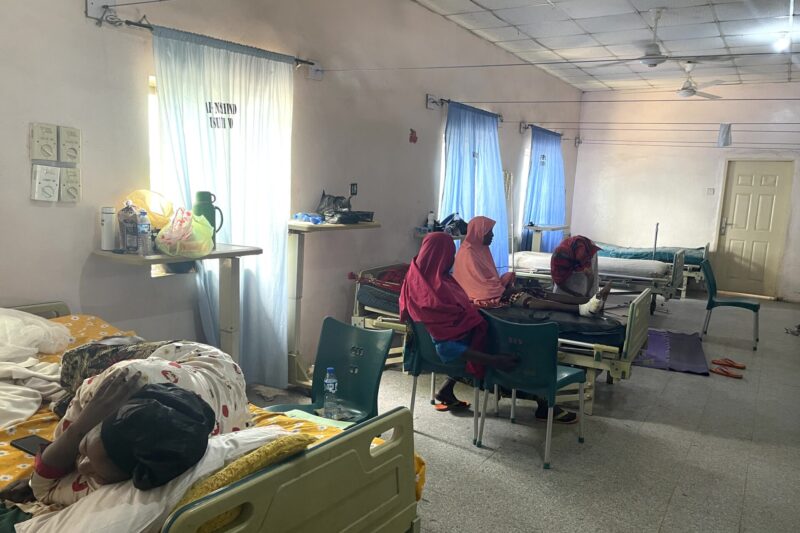
At exactly 1 p.m. on March 24, 2026, one week and two days after a bomb explosion rocked three locations in Maiduguri, including the Post Office, Monday Market, and the University of Maiduguri Teaching Hospital, the atmosphere at Umaru Shehu Ultra-Modern Hospital had noticeably changed.
The tension that once gripped the hospital on the day of the attack had eased. Security checks remained tight at the entrance, but movement within the facility was calmer, with health workers attending to patients and visitors going about their routines.
Yet, behind this calm, survivors continue to battle pain, trauma, and uncertainty.
The March 16 attack, one of the deadliest in the city in recent years, left at least 23 people dead and more than 100 others injured, according to the Borno state police command report, although later estimates suggest the toll may be higher.
The explosions shattered a period of relative calm in Maiduguri, a city that has long been at the centre of the Boko Haram insurgency.
“This Situation Is Very Difficult for Me”
Inside the female surgical ward, three patients lay quietly, each with a relative seated beside them.
Among them is 70-year-old Fatime Bulama, a milk seller at Monday Market, one of the locations hit by the explosion. On a typical day, she would be at her stall early in the morning, selling milk to support herself and the orphans under her care.
Now, she stays on a hospital bed.
She sustained injuries to her forehead, stomach, and leg. Though her wounds have been stitched, the pain lingers. 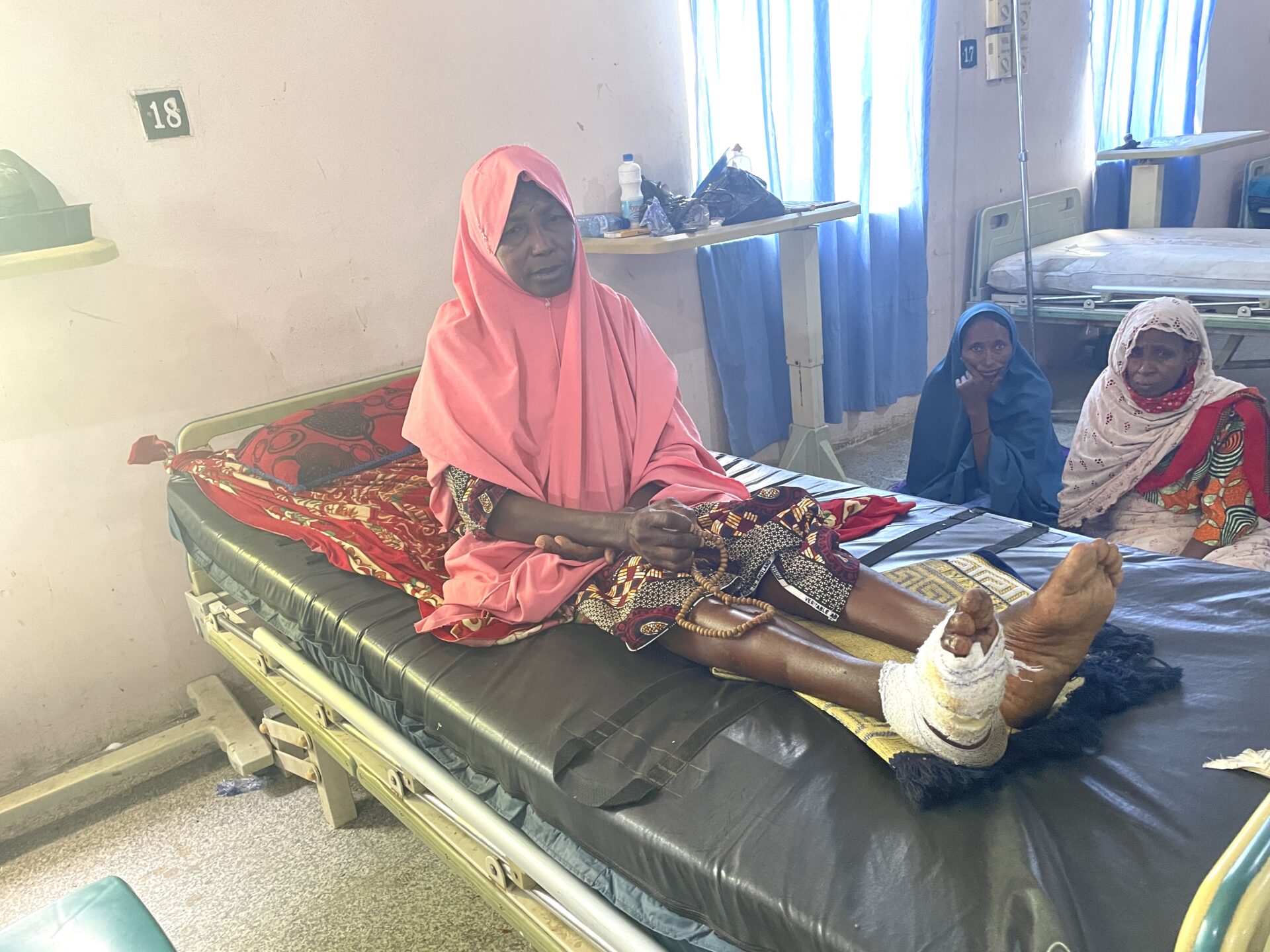
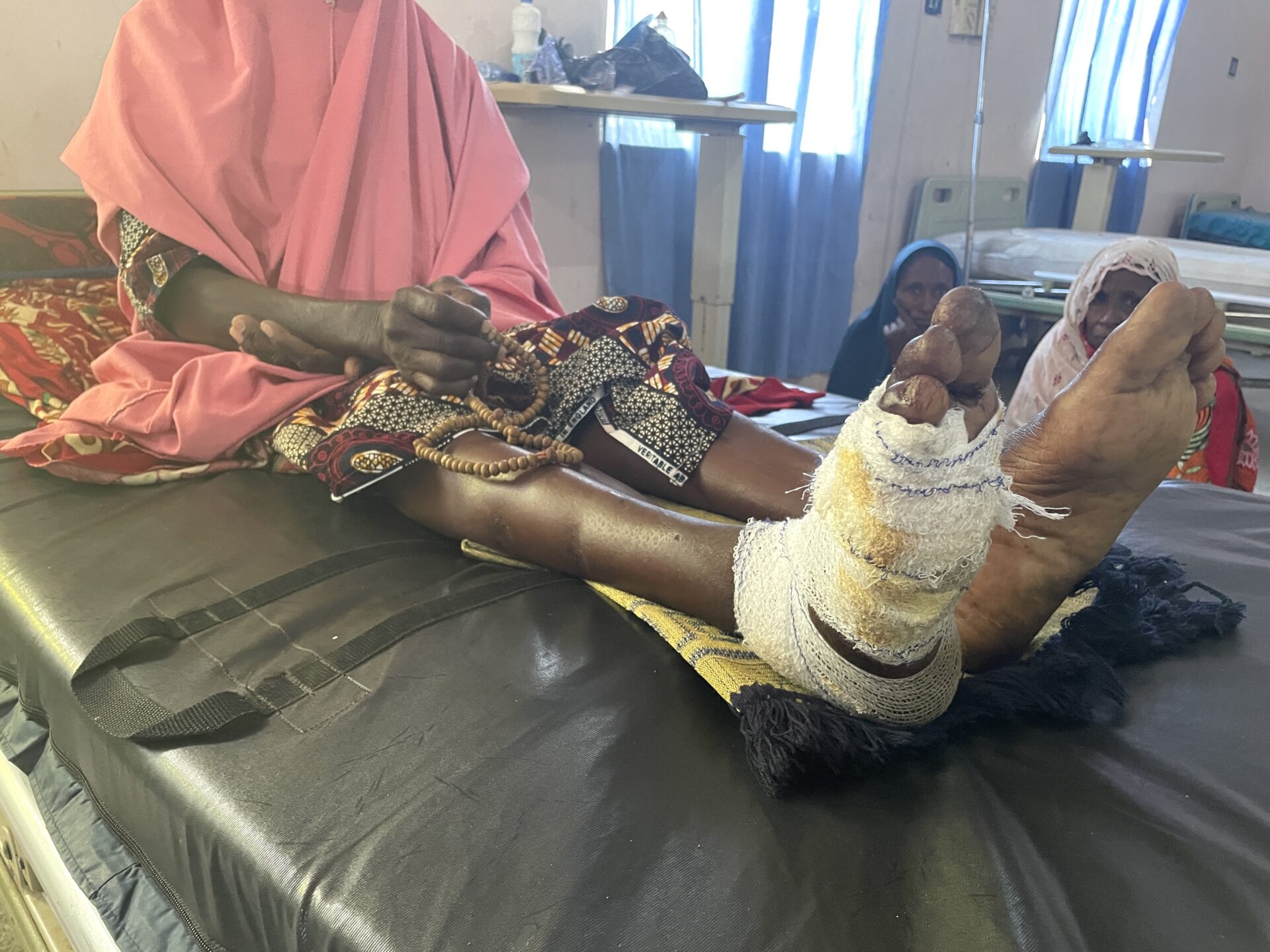
Despite assurances by the state government to provide medical assistance to victims, some patients at the Umaru Shehu Hospital say they are still responsible for covering parts of their treatment costs, including medications and other essential supplies.
“As a mother caring for orphans, this situation is very difficult for me,” she said, her voice heavy with exhaustion. “I cannot work, and we are often asked to provide medicines before treatment. It is a huge burden.” Fatime confirmed.
For Fatime, survival is no longer just about healing physically, it is about finding a way to return to a life that has suddenly been disrupted.
“If we get financial support to buy medicines and injections, it will reduce the hardship we are facing,” she added.
Lives Disrupted in Seconds
A few beds away, 45-year-old Maryam Muhammad struggles to make sense of what happened.
“It exploded right beside me,” she said quietly.
Maryam, who also sells milk at Monday Market, recalls little from the moment of the blast.
“When I arrived at the hospital, I didn’t even know how I got here,” she said. “I was injured in my back and leg.”
Before the incident, her small business was her family’s lifeline.
“I use that business to support my family,” she said. “Now I have lost my source of income. It is very painful.”
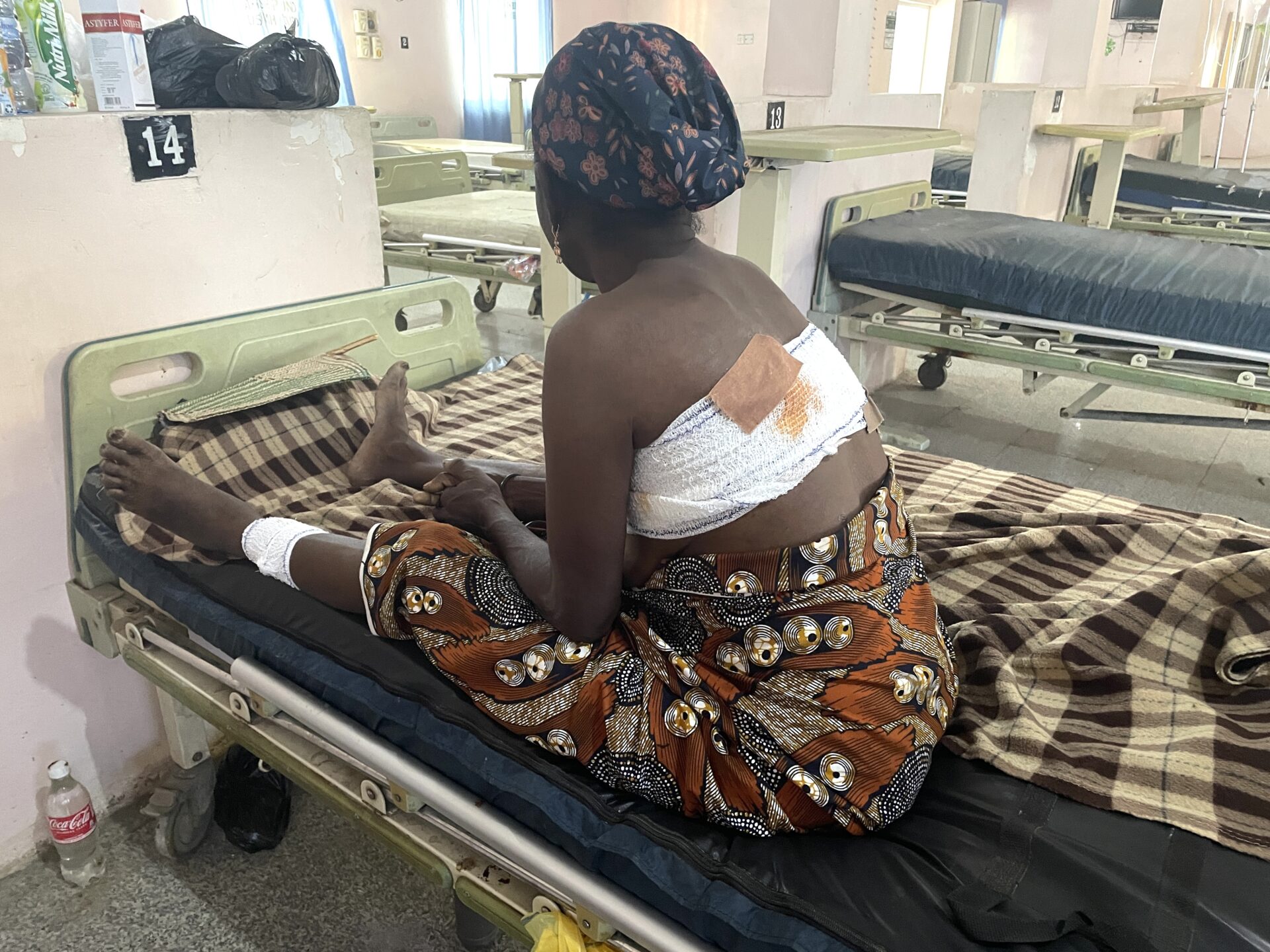
Her daughter, Aisha Muhammad, who now takes care of her, said the burden of treatment has largely fallen on the family.
“The hospital has been supportive once we provide what is needed,” she explained. “Family and friends have also helped us with what they can.”
According to her, the largest support they received was ₦50,000 from a philanthropist, most of which has already been spent on medications.
“We have not been discharged yet because my mother still needs treatment,” Aisha said. “All we want is for her to recover and return home safely. Government support would make things easier.”
A Busier Reality Elsewhere
While Umaru Shehu Hospital showed signs of calm, the situation at the Maiduguri State Specialist Hospital told a different story.
From the entrance to the wards, activity remained intense. Patients of the blast filled the facility, some recovering, others still in critical condition.
In one of the wards, 36-year-old Helen Maina, a mother of five, recounted how a routine errand turned tragic.
“I went out to buy groceries for my family,” she said. “On my way back, the explosion happened.”
She lost consciousness and was later brought to the hospital with fractures in her hand and injuries to her chest and back.
“I feel better now,” she said. “I just want to fully recover and go back home.”
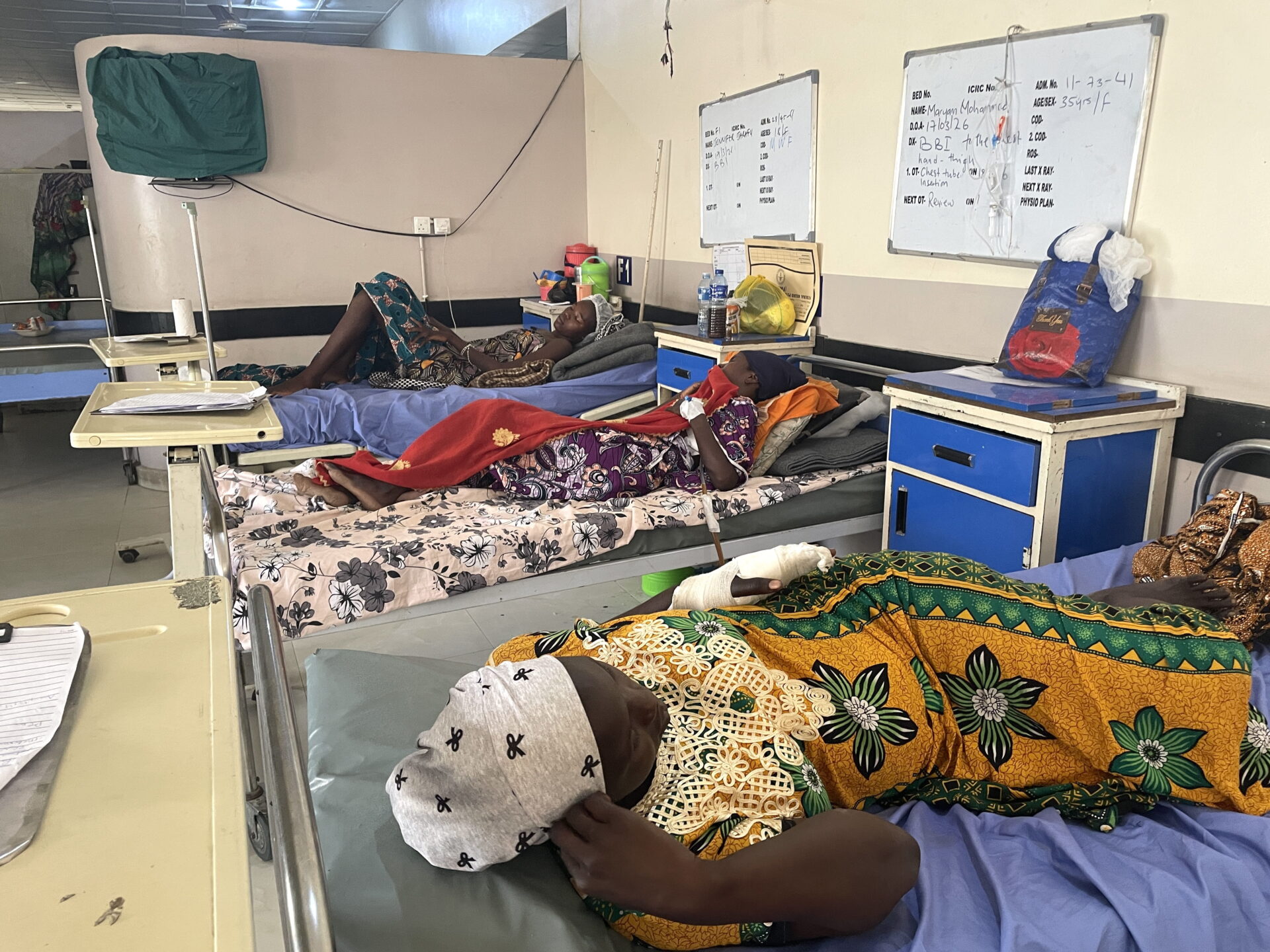
Her sister, Maryam Maina, who has been caring for her, said the emotional toll has been heavy.
“We were very scared when it happened,” she said. “Even now, she still complains of chest pain.”
However, she acknowledged the support received.
“The assistance from the Borno State Government has really helped us,” she added.
Hospitals Under Pressure
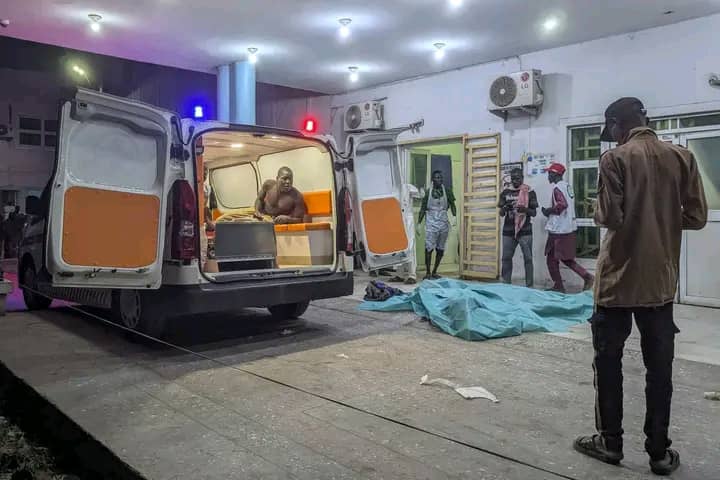
Health workers say the hours following the blast were overwhelming.
More than 100 injured victims were distributed across hospitals in Maiduguri, including the University of Maiduguri Teaching Hospital, Umaru Shehu Hospital, Muhammad Shuwa memorial hospital and the State Specialist Hospital.
Istifanus Dawa, the nurse in charge of the ward, explained that many victims were brought in at once, but limited bed space meant only 17 patients could be admitted, while others were referred to the University of Maiduguri Teaching Hospital.
“Most patients had injuries to their legs, chest, and stomach,” he said. “They are responding to treatment, but it has been challenging managing different cases.”
He added that many of the victims had never experienced hospitalization under such traumatic conditions.
“All admitted patients are being treated free of charge,” he noted.
Emergency Response and Challenges
Dr. BabaShehu Mohammed, Medical Director of the State Specialist Hospital, said 18 victims were initially brought in.
“One died instantly, while 17 were admitted for treatment,” he said. “Several others with minor injuries were treated and discharged.”
According to him, six patients have since been discharged, leaving 11 still receiving care.
“Some patients underwent multiple surgeries. Some came in unable to speak but are now talking and walking,” he said.
Despite the hospital’s preparedness for emergencies, the situation came with challenges.
“Crowd control was a major issue,” he explained. “There was fear that another explosion could occur, which affected both patients and medical personnel.”
Security operatives later intervened, allowing health workers to carry out their duties effectively.
Support also came from humanitarian organisations, including the International Committee of the Red Cross (ICRC), International Medical Corps (IMC), and Médecins Sans Frontières (MSF), alongside government and private donors.
The Invisible Wounds
Beyond physical injuries, many survivors are dealing with emotional and psychological distress.
Dr Mohammed said counseling has been provided to help patients cope with trauma, fear, and anxiety especially among those who witnessed the explosion or lost consciousness during the incident.
For many, the fear of crowded places and sudden sounds remains.
Call for More Support
Dr. Mohammed emphasized the need for more healthcare personnel, noting that existing staff are overwhelmed.
“This affects not only emergency situations but general healthcare delivery,” he said.
He also addressed concerns about delays in treatment, explaining that emergency care requires careful procedures.
“For example, in cases of fractures with contaminated wounds, proper cleaning must be donebefore fixing the bone to prevent infection,” he said. “People need to understand and be patient.”
A Community Still Healing
Although the exact number of those affected continues to emerge, the impact of the Maiduguri blasts goes beyond hospital walls, disrupting livelihoods, deepening poverty, and leaving families uncertain about the future.
For survivors like Fatime Bulama, recovery is not just about leaving the hospital.
It is about returning to a life that may no longer be the same.
As she lay on her hospital bed, far from the busy market where she once earned her living, her thoughts remain fixed on what comes next not just for herself, but for the children who depend on her.
In Maiduguri, the wounds of the explosion are slowly healing, but the path to rebuilding lives is only just beginning.
Rukaiya Ahmed Alibe




Leave a comment