
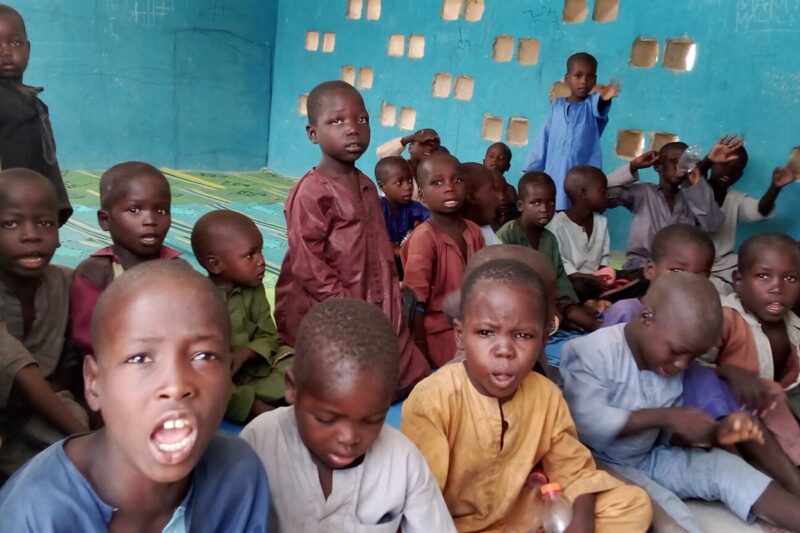
The Nigerian government has launched an ambitious reform initiative called HOPE for Quality Basic Education for All (HOPE-EDU), with a bold target to bring over 10 million out-of-school children back into classrooms and transform the nation’s basic education landscape.
Speaking at a recent three-day sensitisation workshop for stakeholders from the South-south and South-east regions of the country in Uyo, Akwa Ibom State, the Executive Secretary of the Universal Basic Education Commission (UBEC), Aisha Garba (represented by Deputy Executive Secretary Technical, Rasaq Akinyemi), described the initiative as a potential turning point.
“Nigeria’s Basic Education faces very stark realities: over 10 million out-of-school children, overcrowded classrooms, and resource disparity that undermines equity,” she said, stressing that success depends on transparency, accountability, and close collaboration among all stakeholders.
Recent UNICEF data indicates that approximately 10.5 million children aged 5-14 remain out of school in Nigeria, despite primary education being free and compulsory, with the country bearing one of the world’s highest burdens of educational exclusion.
HOPE-EDU focuses on foundational skills like literacy and numeracy, with targeted support for rural and marginalised communities, including girls, orphans, and children in conflict-affected areas. It adopts a performance-based funding approach, where disbursements are linked to verifiable results.
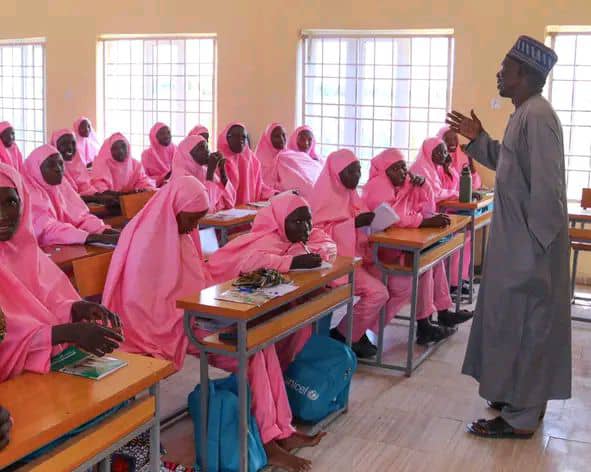
The initiative aims to improve learning outcomes for more than 29 million children, empower around 500,000 teachers, construct 13,000 new classrooms and return at least 1.5 million out-of-school children to formal or non-formal education programs
The Federal Ministry of Education recently unlocked $552 million in funding for HOPE-EDU — co-financed by the World Bank and the Global Partnership for Education — marking what officials call the fastest activation of such large-scale education financing in Nigeria’s history, achieved within just 12 months.
Minister of Education, Tunji Alausa, hailed the milestone, noting that the funds will bolster foundational learning, widen access to quality basic education, and enhance accountability in participating states.
UBEC’s Aisha Garba called for rigorous monitoring and a focus on the most vulnerable groups, emphasising that “their education is not charity; it is the cornerstone of our democracy and economy.”
As HOPE-EDU rolls out, stakeholders say the program’s results-driven model could mark a decisive shift toward equitable, quality basic education for millions of Nigerian children.