By Falmata Amina Mohammed
The Northeast region of Nigeria, particularly Borno State, is facing a troubling resurgence of attacks by jihadist groups such as Jamā’at Ahl as-Sunnah lid-Da’wal Wa’l-Jihād, better known as Boko Haram and the Islamic State West Africa Province (ISWAP). In early March 2026, a series of coordinated assaults on military bases and civilian communities has resulted in heavy casualties, mass abductions, and widespread displacement, raising urgent questions about security strategies.
Devastating Coordinated Attacks Across Borno
In less than a week, insurgents launched multiple strikes on locations including Ngoshe, Kukawa, Dalori, Konduga, Dalwa, Marte, Jakana, Mainok, Damasak, Abadam Mallam Fotori and Kofa community in Maiduguri. These attacks targeted both military positions and civilian areas, leading to significant losses on all sides.
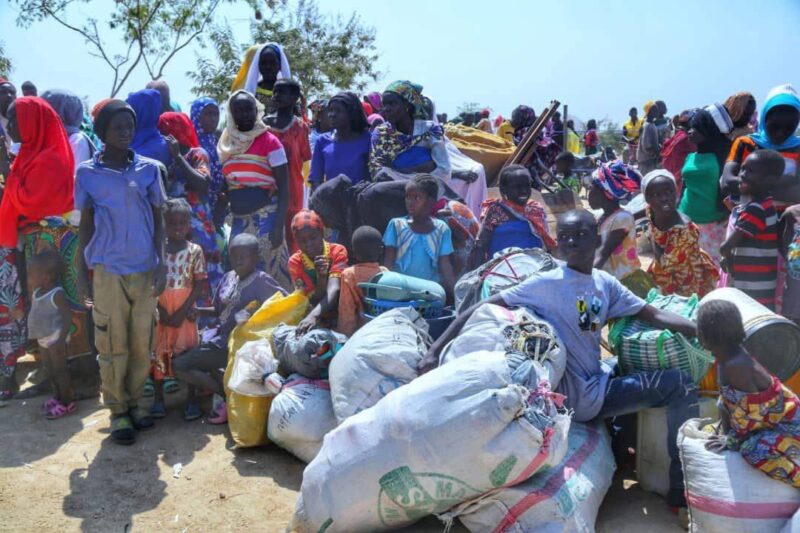
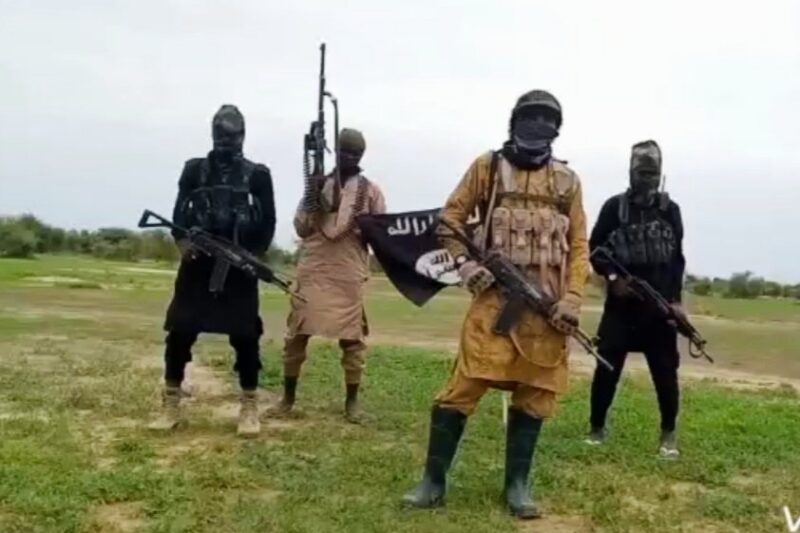
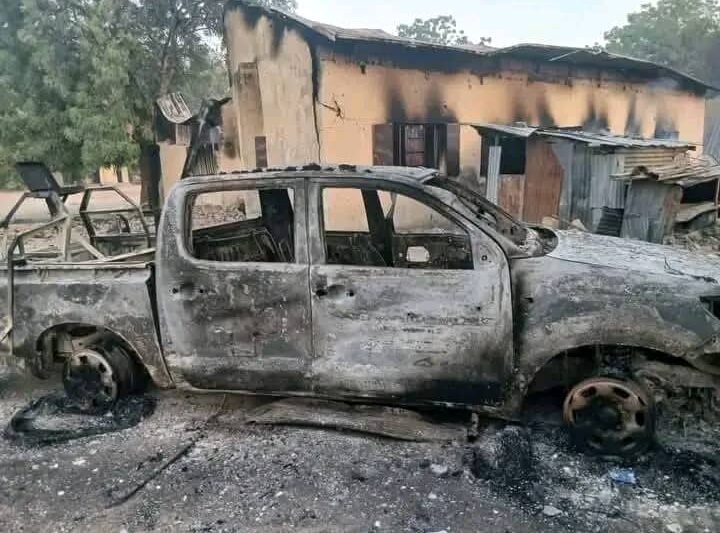
A particularly horrific incident occurred on the night of March 5, 2026, in Ngoshe (Gwoza LGA), where suspected Boko Haram/ISWAP fighters overran parts of the community. Reports indicate dozens killed—including soldiers, a local Imam, community elders, and civilians—while over 300 people, mostly women and children, were abducted or went missing. Thousands fled to nearby Pulka, seeking refuge in schools and open areas. Insurgents later released propaganda videos claiming joint operations and citing retaliation for earlier military operations that eliminated key commanders in January 2026.
Other assaults included overruns of bases in Kukawa and Konduga, with fierce fighting reported.
Targeted Killings of Senior Army Officers
Among the most concerning developments is the loss of high-ranking officers, which militants appear to prioritize for propaganda and operational impact:
- Lt-Col Umar Faruq, commanding officer in Kukawa, was killed on March 9, 2026, during an attack on the Kukawa Military Base.
- Lt-Col S.I. Iliyasu, commander of the 222 Battalion in Konduga, died on March 6, 2026, in an assault on a military formation.
- Major U.I. Mairiga was killed on March 1, 2026, during a ISWAP attack on Mayenti Base in Bama LGA.
Security experts note that eliminating senior commanders disrupts command structures and provides morale boosts and propaganda wins for the groups.
Thwarted Attacks Near Maiduguri and Security Responses
Nigerian forces repelled attempts in areas like Kofa (near Maiduguri) and Damboa on a Monday in March 2026, with attacks occurring between midnight and 1:00 a.m. Borno State Police spokesman ASP Kenneth Nahum confirmed normalcy had returned, with no reported casualties in those incidents.
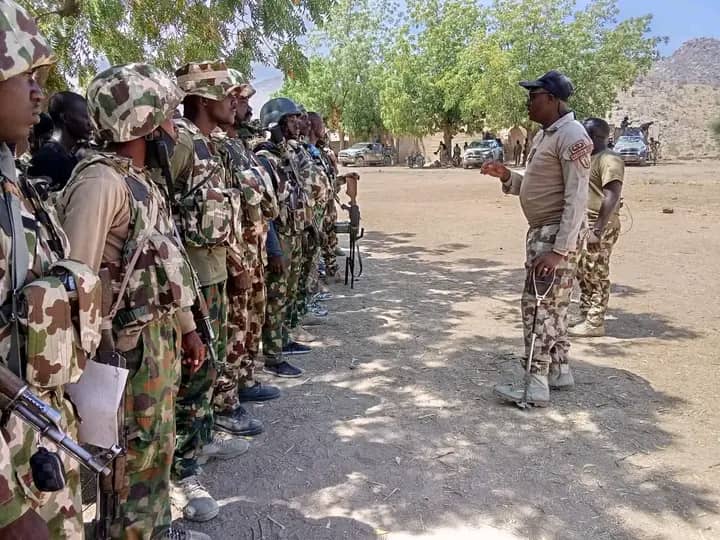
The military recaptured Ngoshe on March 11, 2026, and intensified operations, including airstrikes in collaboration with the Nigerian Air Force. Defence Minister Christopher Musa summoned service chiefs on March 11 for an urgent strategy review, acknowledging casualties but emphasizing heavier losses inflicted on terrorists.
Attacks During Ramadan: Heightened Fear and Vigilance
The surge coincided with the final days of Ramadan, a period of heightened spiritual activity including late-night Tahajjud prayers (typically 1–4 a.m.). This timing has amplified public unease, as attacks exploit vulnerabilities during worship.
In Konduga on March 8, 2026, religious leaders advised home prayers instead of mosques. Rumours of a potential attack on Mallam Bako mosque in Maiduguri’s Layin Hadiza on March 10 circulated. The Borno State Police Command, under CP Naziru Abdulmajid, urged vigilance and announced intensified patrols and deployments.
Experts suggest motives include retaliation for recent military successes and ideological framing of operations as amplified “jihad” during Ramadan.
Public Outcry and Expert Analysis
Social media reflects widespread frustration:
- One user lamented the plight of Borno residents, noting the state’s connection to the Vice President.
- Security analyst DocRobert warned of regained insurgent capacity, the need to disrupt financing, and risks of recruitment amid economic hardship.
In a March 10, 2026, interview, Kabiru Adamu of Beacon Consulting attributed the resurgence to improved jihadist tactics and urged clearer public communication on international partnerships (e.g., with the U.S.) and addressing citizen concerns.
Deepening Humanitarian Crisis
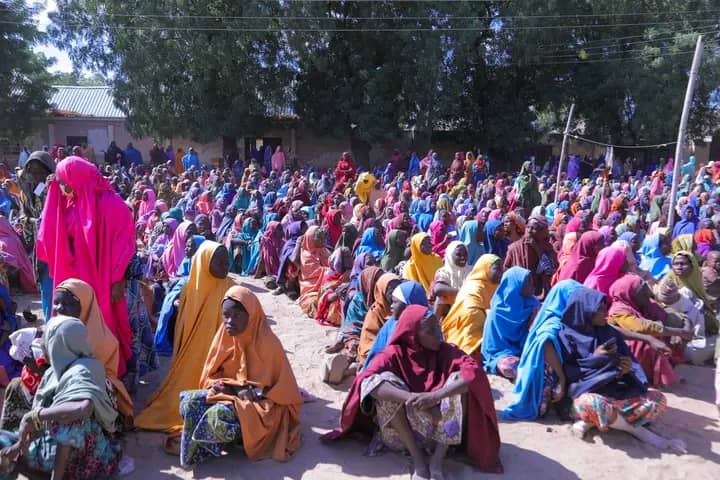
The violence has worsened an already dire situation. Markets, schools, hospitals, and homes have been destroyed or disrupted, with many residents fleeing. Children face hunger following parental deaths or displacement.
The World Food Programme reports nearly 5.8 million people in the Northeast (Borno, Adamawa, Yobe) facing severe food insecurity in 2026, exacerbated by conflict. The International Committee of the Red Cross (ICRC) highlights acute malnutrition among millions of under-five children due to ongoing violence and displacement.
Government Response: Resilience and Reassessment
Borno Governor Babagana Zulum, performing Umrah in Saudi Arabia, described the attacks as a “temporary eclipse” and urged intensified prayers for peace during Ramadan’s last 10 days. He emphasized resilience and unity against the common enemy.
Borno Commissioner for Information and Internal Security, Prof. Usman Tar, affirmed ongoing collaboration with military and security agencies to bolster operations and community preparedness.
The renewed violence underscores the need for adaptive counterterrorism strategies, including disrupting funding, enhancing intelligence, and addressing root causes to prevent further escalation.