

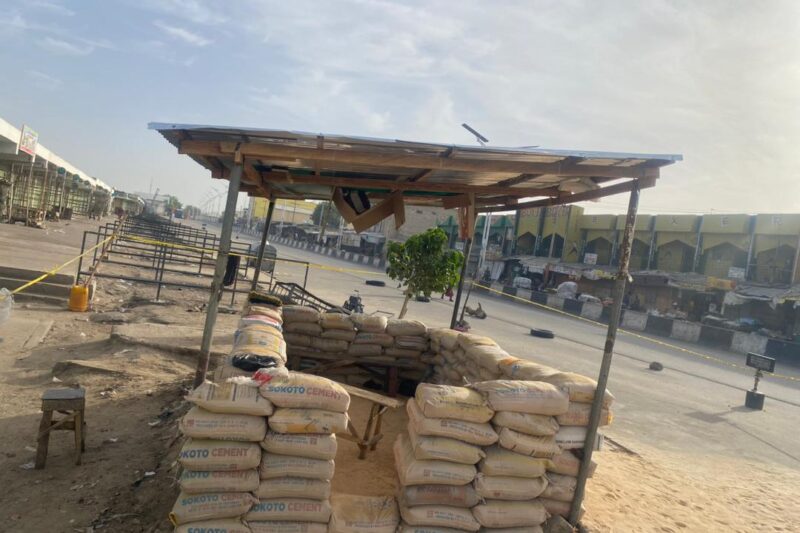
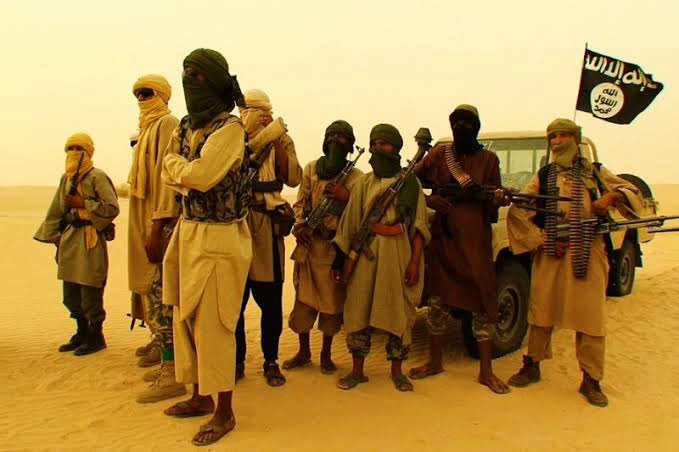
Northeast Nigeria, particularly Borno State, has endured relentless insurgency since 2009, marked by repeated attacks from Boko Haram and its splinter group, the Islamic State in West Africa Province (ISWAP). The conflict has claimed tens of thousands of lives and displaced more than two million people, devastating communities, destroying properties, and disrupting livelihoods.
Despite sustained military operations, the violence persists, with recent suicide bombings in Maiduguri underscoring the ongoing threat. High-profile figures have highlighted alleged local collaboration with insurgents, sparking debate. Yet, security experts and residents stress that finger-pointing alone cannot end the crisis. Instead, building genuine trust and cooperation between civilians and the military offers a more effective path forward.
Military and Political Leaders Call for Local Ownership
During a visit to Maiduguri on March 17, 2026 (shortly after deadly bomb explosions), Chief of Defence Staff General Olufemi Oluyede urged residents of Borno and Yobe States to take responsibility for the security challenges. He cited intelligence from the Kukawa attack—where a commanding officer and several soldiers were killed—revealing that two injured insurgents were local residents of the town.
Senator Mohammed Ali Ndume (Borno South) echoed this view in a Channels Television interview, agreeing that insiders often facilitate attacks. “You cannot have insurgents coming from outside to attack a town without insiders,” he said, noting that many attackers in areas like Ngoshe are locals identifiable by their accents. Ndume added that communities should take ownership: “These insurgents are not even strong—all they have are AK-47 rifles. If they know that each household in every community has a gun, they will not come near.”
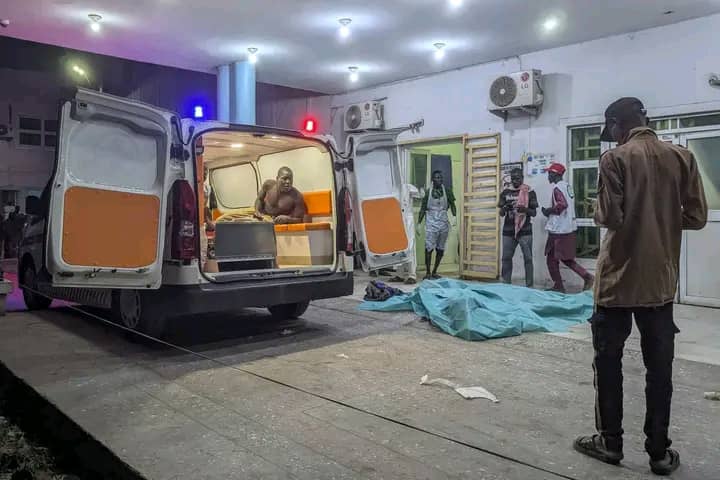
Borno State Governor Prof. Babagana Umara Zulum, speaking to the BBC ahead of Eid al-Fitr, confirmed intelligence about five insurgents entering Maiduguri, with three killed in blasts near the University of Maiduguri Teaching Hospital, Monday Market, and Post Office flyover. He noted that insurgents frequently change tactics but that security forces remain vigilant, especially during major festivals when bomb threats typically rise. “Everyone in Maiduguri knows this pattern,” Zulum said.
Former Chief of Army Staff Lt. Gen. Tukur Buratai (retd.), on Channels Television’s Politics Today, pointed to known financiers of terrorism, urging authorities to act decisively rather than shielding identities for undisclosed reasons.
Residents’ Perspectives: Fear, Survival, and Reluctant Cooperation
The comments have provoked strong reactions in Borno and Yobe. Many residents acknowledge some local involvement but explain the complex realities on the ground.
Zara, a Borno citizen and insurgency victim, said she agrees with the allegations to an extent but noted that some locals cooperate out of fear, especially in remote areas with limited security presence. “They sometimes have no choice due to the threat of attack.”
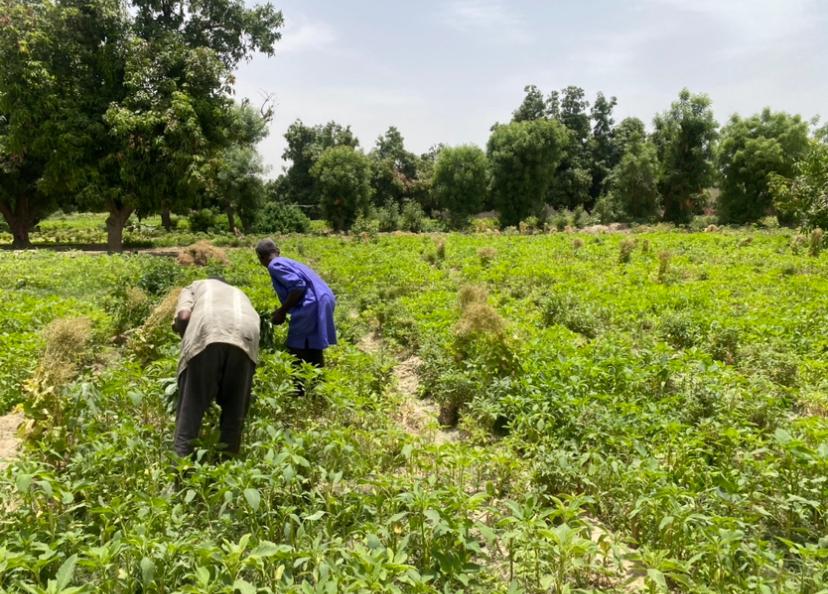
Yana Bukar, another resident, highlighted economic pressures: “Most locals rely on farming and fishing for survival. In some cases, they may feel compelled to cooperate with insurgents to continue their daily lives without disruption—not because they support them, but out of fear or lack of protection.”
Not Just Civilians: Military Accountability in Focus
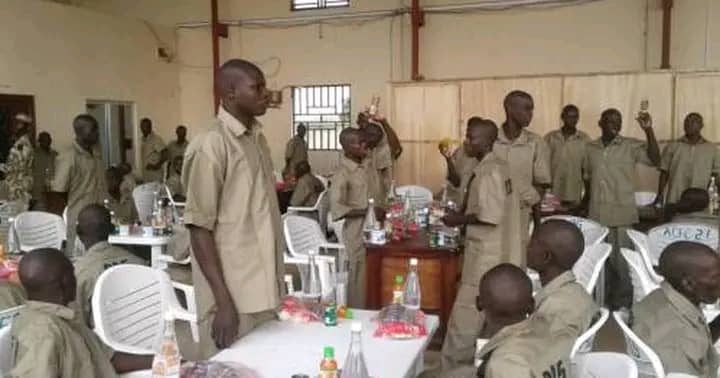
While some officials blame communities, the military has acted against its own. In September 2025, a special court-martial in Maiduguri sentenced three soldiers—Sergeants Raphael Ameh and Ejiga Musa, and Lance Corporal Patrick Ocheje—to life imprisonment, and Corporal Omitoye Rufus to 15 years, for illegal arms dealing and collaborating with terrorist elements. The trial, presided over by Brig. Gen. Mohammed Abdullahi under Brig. Gen. Ugochukwu Unachukwu, underscored that complicity exists within ranks and must be addressed.
Expert Pushback: Retaliation and Protection Gaps Undermine Intelligence Sharing
Security analyst Bulama Bukarti has challenged the narrative that locals bear primary responsibility. He referenced the 2024 ISWAP/Boko Haram massacre in Mafa village, Yobe State, where over 100 (reports vary up to 170) residents were killed after providing intelligence to security forces on insurgent movements. The militants discovered the leaks and retaliated, while troops could not prevent the attack.
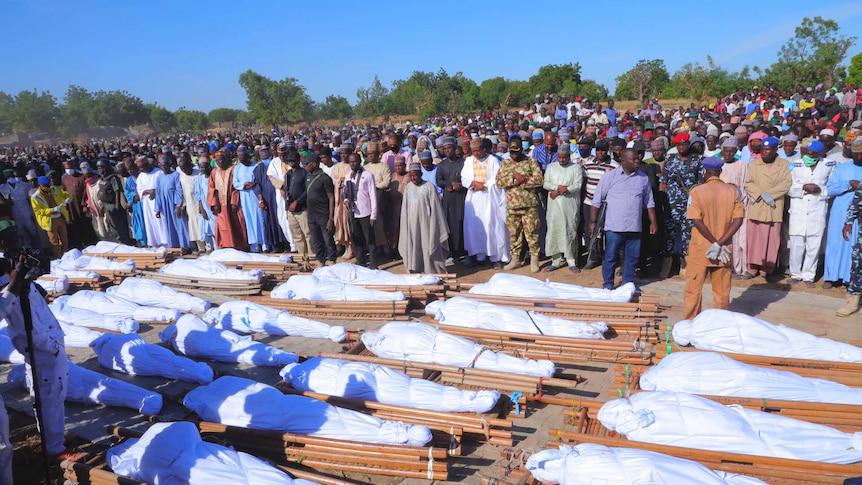
A similar tragedy occurred in Koshebe village, Borno State, on November 28, 2020, when Boko Haram militants killed around 110 civilians—mostly rice farmers harvesting fields—whom they accused of aiding security forces. Insurgents often target perceived collaborators in brutal reprisals.
Residents hesitate to share intelligence because they fear retaliation without adequate protection from security forces, creating a dangerous cycle of mistrust.
The Way Forward – Building Trust Through Protection and Decisive Action
Security expert Baba Kura Abubakar in Maiduguri emphasized practical solutions: “When locals provide intelligence on insurgent activities, the Nigerian military should put all necessary measures in place to protect their identity.”
He added that since authorities, as acknowledged by Buratai, know the financiers of Boko Haram and ISWAP, decisive action against them is essential to weaken the groups’ capabilities.
True progress against the insurgency requires moving beyond blame. Strengthened civil-military relations—through reliable identity protection for informants, community-led defense initiatives, better-equipped forces, and targeting high-level enablers—can foster the intelligence flow and local ownership needed to degrade terrorist networks sustainably. Without this partnership, shifting blame risks alienating the very communities whose cooperation is vital to ending the 15-year nightmare.
This balanced approach acknowledges challenges on all sides while prioritizing collaboration as the most promising strategy for lasting peace in the Northeast.
FALMATA AMINA MOHAMMED




Leave a comment