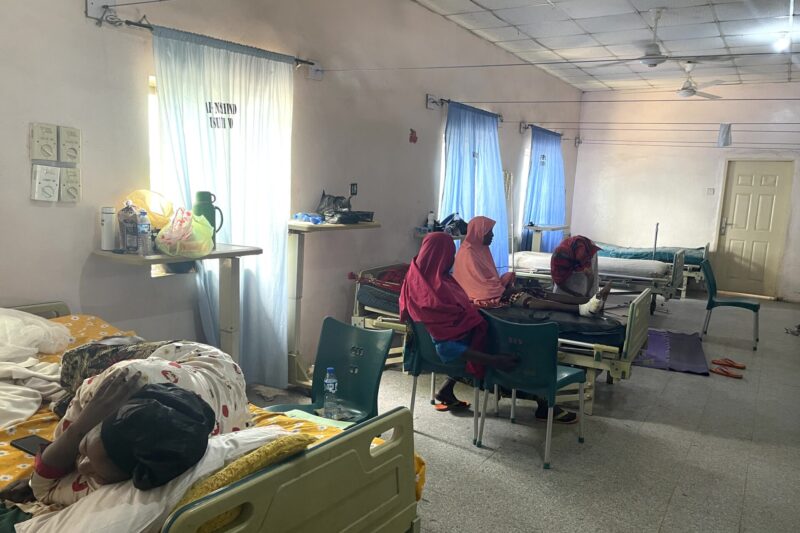

On World Children’s Day celebrated on the 20th November, 2025, the Borno State Children’s Parliament expressed deep concern over the continued abduction of students across Nigeria. The recent kidnapping of schoolgirls in Kebbi State where 25 schoolgirls at the Government Girls Comprehensive Secondary School in the town of Maga has heightened fear among children and parents, highlighting the country’s failure to secure its schools.
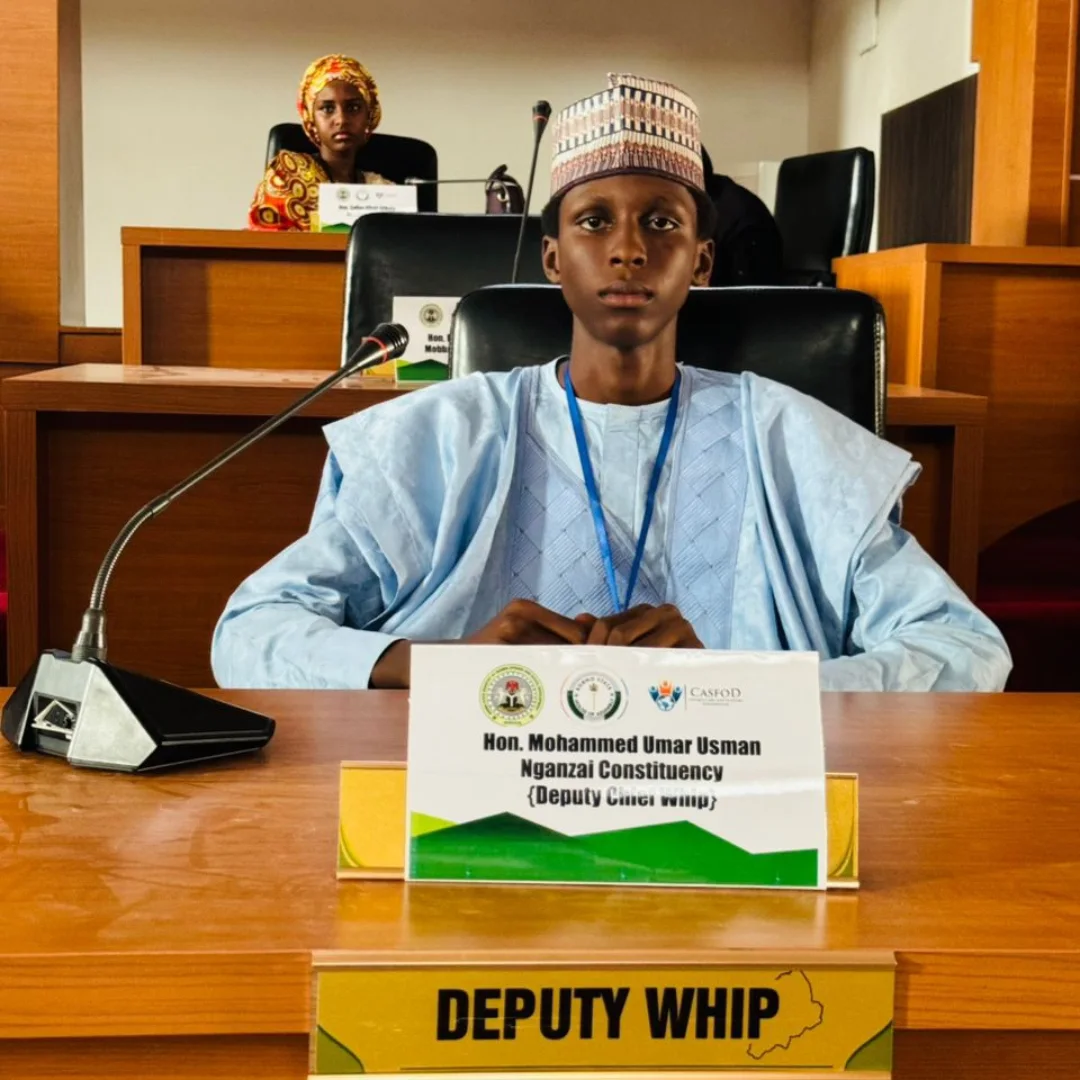
Honourable Muhammad Umar Usman, Deputy Chief Member of the Borno State Children’s Parliament, described the anguish children feel: “We are all saddened by the recent abduction of children in Kebbi State. As a child, it is terrifying to be taken away from your family and school by strangers in the middle of the night.”
He said the timing makes the incident particularly distressing:“At a time when we are encouraging children to return to school, this kind of attack only makes children and parents fearful of sending students to school.”
Muhammad stressed that this is a recurring problem: “This is not an isolated incident. It happens repeatedly and demands urgent government action, particularly in boarding schools, to ensure children can attend classes safely.”
He emphasized that schools themselves must strengthen security measures: “Boarding schools require significant security improvements, and school authorities must do everything possible to protect their students, alongside government efforts.”
Despite the challenges, Muhammad expressed optimism for the future: “I am hopeful that within the next five years, the rate of out-of-school children in Northeast Nigeria will significantly decline. This is a goal we continue to work toward for the benefit of all children.
National Data Reflects Growing Crisis
His concerns are supported by national data. Save the Children reports that between 2014 and 2022, at least 1,683 schoolchildren were kidnapped, over 180 killed, nearly 90 injured, and 60 teachers abducted, with 14 school staff killed during attacks on schools. (Save the Children)
UNICEF warns that 2 million children in Borno, Adamawa, and Yobe are out of school, while more than 18 million children nationwide are currently not attending school. (UNICEF)
Timeline of Mass School Abductions (2014–2024)
Since the stated 2014, Nigeria has witnessed a disturbing series of mass school abductions, illustrating the persistent threat to children’s safety. The Chibok abduction on 14 April 2014, which saw 276 girls taken from their school, remains the most infamous. Four years later, the Dapchi abduction on 19 February 2018 drew global attention when dozens of girls were kidnapped in Yobe State. In December 2020, armed men attacked a school in Kankara, Katsina State, abducting hundreds of boys.
The violence intensified in 2021, with multiple incidents across northern Nigeria. These included the Kagara abduction in February, the Jangebe abduction later that month, and several attacks in Kaduna, Birnin Gwari, and Tegina, including a kidnapping at Greenfield University. Students in Yauri and additional schools in Kaduna State were also targeted, highlighting a pattern of repeated attacks in a single year.
In recent years, mass abductions have continued. In September 2023, students were abducted from the Federal University Gusau, followed by another incident at the Federal University Dutsin-Ma in October. The Kuriga schools in Kaduna State were attacked on 7 March 2024.
“These incidents reflect the ongoing and systematic threat to schoolchildren in Nigeria,” Amnesty International stated, providing the detailed chronology of attacks over the past decade
Children Demand Accountability
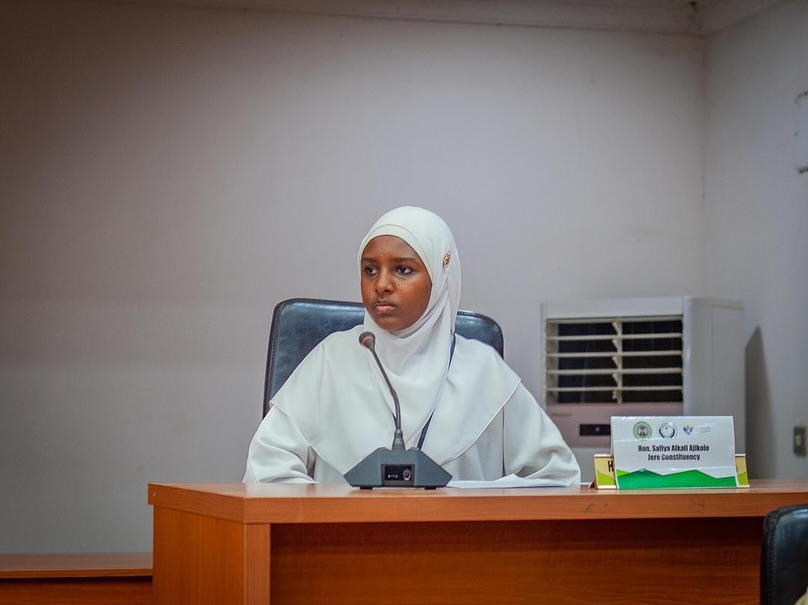
Another member of the Children’s Parliament, 15-year-old Safiya Alkali Aji Kolo, called for immediate government intervention: “The government must track down those responsible for these violent acts against children and ensure strict consequences when they are caught. The safety of children is far from guaranteed, and this is deeply concerning.”
She highlighted the educational impact of abduction: “For the children kidnapped in Kebbi, we do not know when they will return. The long time they spend in captivity will seriously disrupt their education and development.”
The case of the Chibok schoolgirls shows the prolonged trauma. Of the 276 girls abducted in 2014, Amnesty International reports 82 remain in captivity, while 109 are still missing. (Amnesty)
Experts Warn of Leadership Failures
An Educationist, Abba Hassan of Mohammed Goni College of Legal and Islamic Studies Maiduguri, Borno state said the repeated abductions reveal a governance failure: “ “The persistent kidnapping of children shows that the government has been hesitant to act decisively. This reluctance makes parents afraid to enroll their children, fearing they could be taken by insurgents.”
He added that prioritizing security is essential: “If the government truly prioritizes public safety over other interests, there is hope for children to receive safe and uninterrupted education. If not, these abductions will continue.”
Abba emphasized the responsibility of the authorities: “Whether the situation is handled well or poorly, the government is ultimately accountable. Security issues are fully within the government’s knowledge and power to resolve. Nigeria has endured 16 years of insecurity, and unless decisive action is taken, the situation will not improve.”
Following the Kebbi abduction, Amnesty International Nigeria said, “These abductions are a shocking indictment of the authorities’ failure to protect schoolchildren.” (Amnesty Nigeria)
Rukaiya Ahmed Alibe