
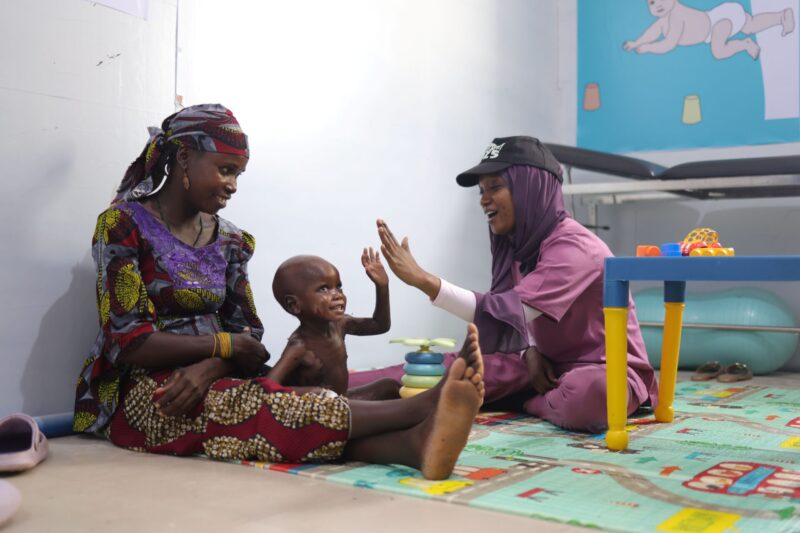
Malnutrition cases are rising sharply across northeast Nigeria as prolonged insecurity, economic hardship and climate-related shocks continue to disrupt livelihoods and limit families’ access to nutritious food.
At six health centres and four hospitals supported by the International Committee of the Red Cross (ICRC), admissions for malnutrition increased by nearly a fifth between January and September this year, compared with the same period in 2025. The number of cases rose from about 17,000 to almost 20,000.
Young children, pregnant women and breastfeeding mothers are among those most affected.
The increase has been particularly pronounced in Mubi, Adamawa State, where malnutrition admissions rose by nearly a quarter — from about 4,600 cases in the first nine months of 2025 to approximately 5,700 during the same period in 2026.
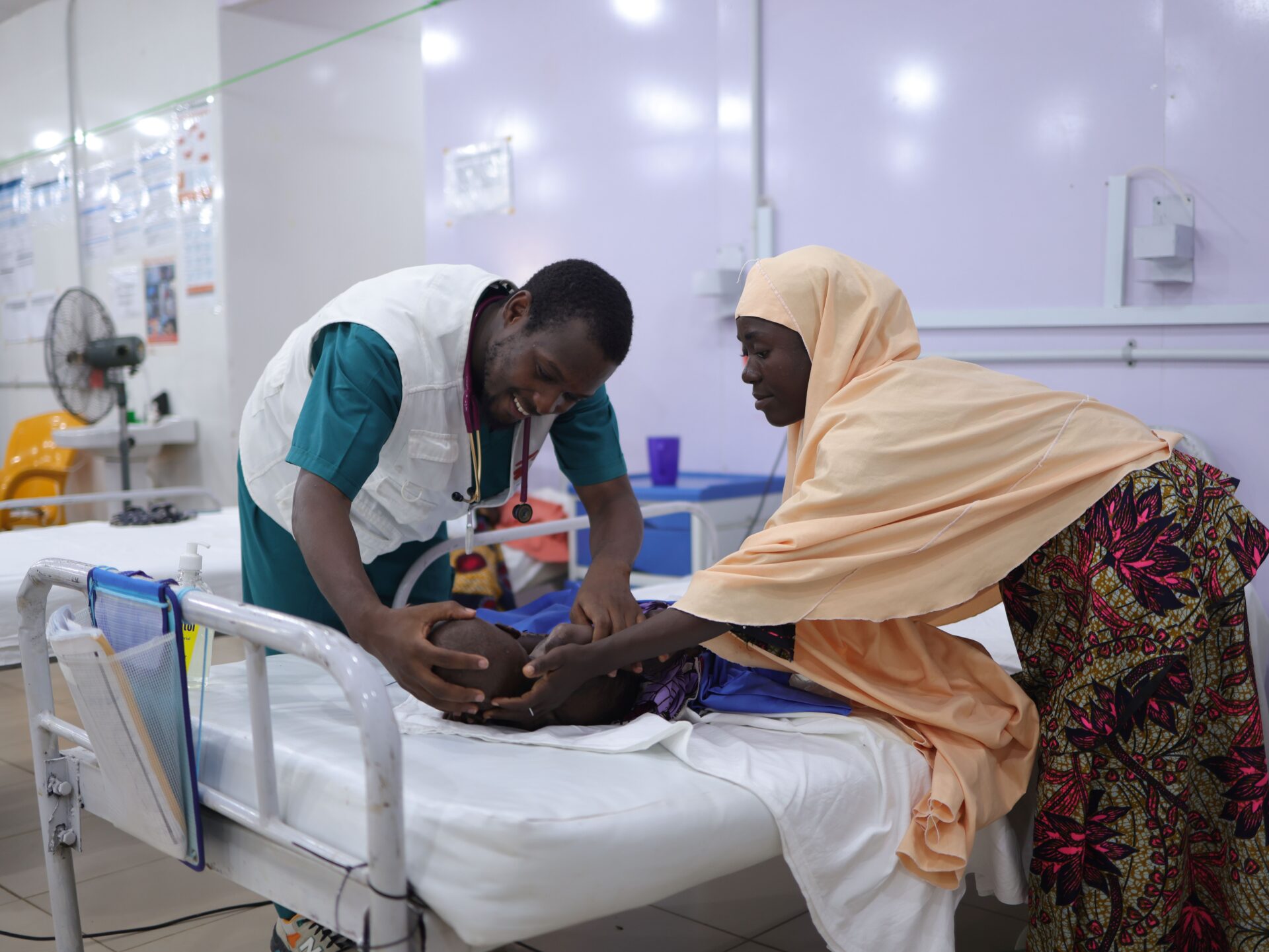
At the Mubi Stabilization Centre, mothers routinely queue with their children for nutritional assessments and treatment.
Among them is Zulaihatu Mohammed, who arrived with her six-month-old daughter, Huseina, one of her twins.
“When I gave birth to them, this one was tiny,” Zulaihatu said. “I came today for the routine collection of children’s food. She is not feeling well. Since I gave birth to her, she has been unwell.”
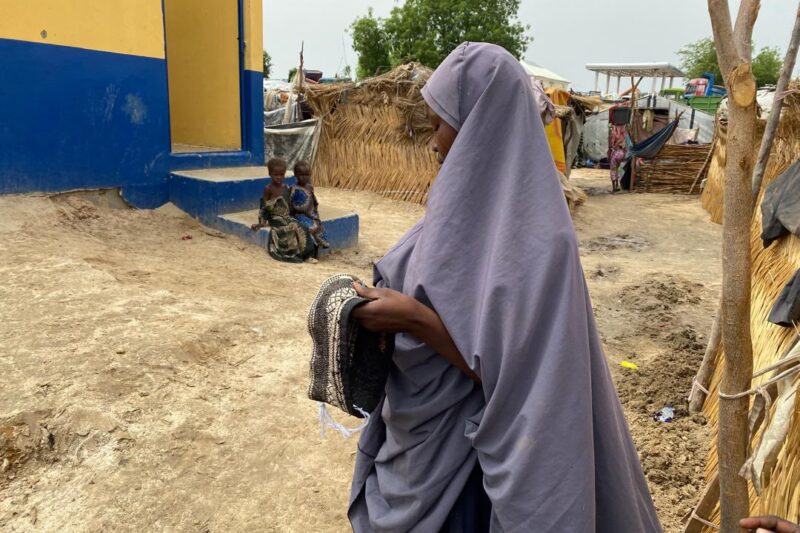
Huseina’s condition reflects the challenges confronting many families across northeast Nigeria, where years of armed conflict have combined with economic pressures and climate shocks to undermine livelihoods and make it increasingly difficult for households to secure enough food.
Conflict Limits Access to Food
For farming families, insecurity can mean the loss of access to farmland, one of their most important sources of food and income.
Saminu Samiyu Ijaduwa, a farmer, says the threat posed by explosive devices has made it dangerous to cultivate fields located farther from his home. He has therefore been forced to rely on a smaller plot nearby.
“Due to the conflict, going one kilometre out of town to farm could be highly risky. You might not return!” Saminu said.
When farmers cannot safely reach their fields, food production suffers and household incomes decline. Disruptions to markets and transportation can further increase the difficulty of accessing affordable food.
The consequences are particularly severe for young children, pregnant women and breastfeeding mothers, whose nutritional needs are higher and who are more vulnerable to the effects of food insecurity and malnutrition.
Supporting Families to Prevent Malnutrition
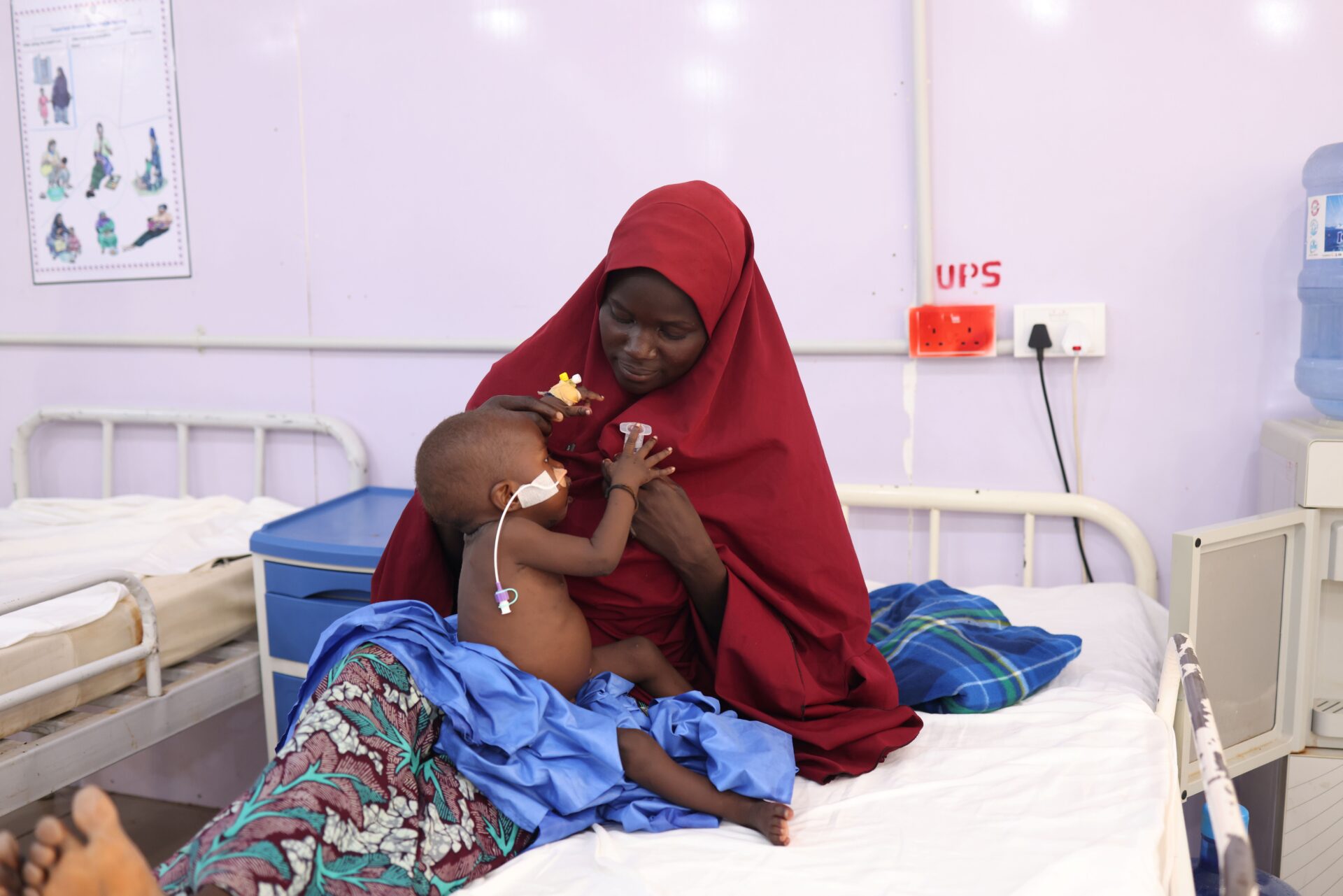
Efforts to address malnutrition include treatment for children already affected, as well as measures aimed at helping families produce and prepare more nutritious food.
The ICRC, working with the Nigerian Red Cross, supports primary health-care centres and hospitals providing nutritional services, while also working with more than 200 communities on malnutrition prevention and food-security programmes.
The support includes providing farmers with seeds adapted to drought and flooding, promoting crop diversity and helping mothers learn how to prepare nutritious meals using locally available ingredients.
One of the initiatives involves a nutrient-rich blend known as Tom Brown, made from sorghum, millet, soybeans, groundnuts and moringa.
The fortified food has helped more than 13,000 young children recover from moderate acute malnutrition. Mothers are also taught how to prepare the mixture themselves, enabling them to continue providing nutritious food to their children at home.
A Wider Food Crisis
The increase in malnutrition cases comes as millions of people across Nigeria continue to face severe food insecurity.
Nigeria’s prolonged conflict, particularly in the northeast, has displaced communities, disrupted agricultural production and weakened household livelihoods. Climate-related shocks, including droughts and flooding, have added further pressure on food production.
According to United Nations analysis, more than 34 million people in Nigeria are expected to face insufficient food to meet their families’ needs in 2026 — the highest figure in six years.
The analysis places Nigeria among the world’s hunger hotspots of highest concern, alongside countries and territories including Sudan, Yemen, Somalia and Gaza.
For families like Zulaihatu’s and Saminu’s, the figures translate into everyday struggles: finding enough food, accessing health services and keeping children healthy in communities where insecurity continues to shape almost every aspect of daily life.
As conflict and economic pressures persist, addressing malnutrition will require not only treatment for children who are already suffering, but also sustained efforts to restore livelihoods, improve food production and ensure families can safely access the resources they need.

Leave a comment