More than 700 former members of Jama’atul Ahl As-Sunnah lid-Da’awati Wa’l-Jihād (JAS), better known as Boko Haram, completed rehabilitation and were released by Nigerian authorities on April 16, 2026, under the federal government’s Operation Safe Corridor programme. This marked one of the largest reintegration exercises in the multi-year effort to address the long-running insurgency in the Northeast.
The releases come more than a decade and a half after the Boko Haram insurgency erupted in 2009 in Borno State, spreading death, displacement, and destruction across the region. Nigerian security forces responded with intensified operations that led to thousands of arrests, including many young men detained — sometimes wrongly or with limited evidence — during sweeps between 2011 and 2015.
Following the death of Boko Haram leader Abubakar Shekau in May 2021, a wave of surrenders prompted the government to expand deradicalisation, counselling, vocational training, and reintegration initiatives. Operation Safe Corridor, launched in 2016 under former President Muhammadu Buhari, works alongside state-level programmes such as the Borno Model to help former fighters and associates transition back into civilian life.
Personal Journeys: From Arrest to Release
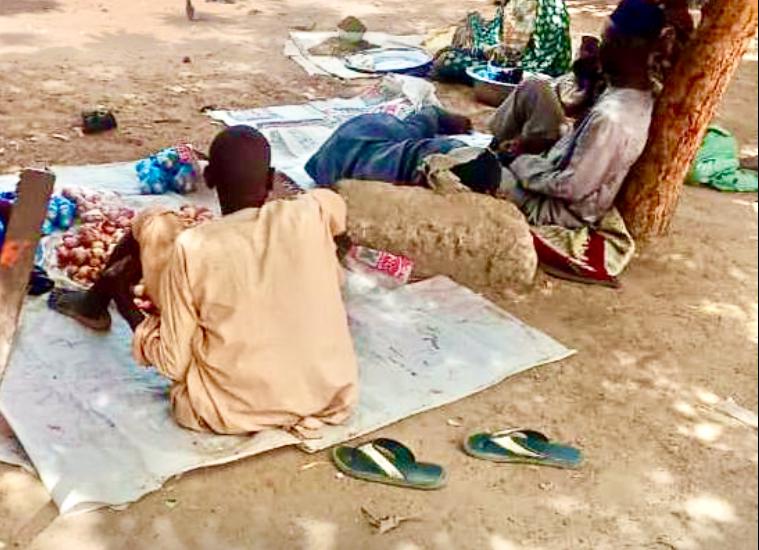
Among those recently freed are two men from Bama Local Government Area in Borno State, who spoke to Ndarason under pseudonyms.
Kadai, 42, a former farmer, said he was making and selling gurasa (local flatbread) to survive when he came under pressure from insurgents. He fled through Kolafoata (a town in Cameroon, located in the Far North Region) to Banki in Nigeria but was arrested by the Nigerian Army and taken to Giwa Barracks, a notorious detention facility in Maiduguri. He spent roughly ten years in detention across Giwa Barracks, Kainji Medium Security Custodial Centre in Niger State, and Mallam Sidi Camp in Gombe State before completing rehabilitation.
He described conditions in Gombe as relatively humane, with adequate food, shelter, and basic care. At Gombe, meals included eggs, chicken, and bread, unlike in Kainji and Giwa Barracks, where conditions were horrific. After completing the deradicalisation programme at Mallam Sidi, he received welding training, tools, and ₦50,000 as transport fare home.
A week after his release, however, Kadai said rebuilding his life had proved difficult. He moves between a camp in Bama and relatives’ homes without stable shelter or workspace. Despite having welding tools, he lacks capital and a proper shop to start a business.
Jalo, 40, was a small-scale trader selling groceries in Bama before the insurgency. He recounted being forcibly taken from his home by insurgents and compelled to join them under threat of death. He later escaped to Kolafoata in Cameroon but was traced, arrested, and returned to Nigeria. Like Kadai, he was held at Giwa Barracks (for about nine years), then Kainji, and spent around nine months at Gombe for rehabilitation — totalling roughly ten years in custody.
Jalo noted that while cells were often overcrowded and hot, detainees at Mallam Sidi Camp received nutritious food, bed space, and sanitary facilities. Daily routines included meals, limited movement within the premises, prayers, and interaction across ethnic lines. He used the time to study the Qur’an extensively, memorising over 30 juz’. He received shoemaking training under the programme and was also given tools and ₦50,000 upon release.
Now reunited with his family in Bama, Jalo is squatting with relatives in a camp and has no capital or shop space to restart his business. He appealed for additional government support to establish a sustainable livelihood.
Family Relief and Ongoing Struggles
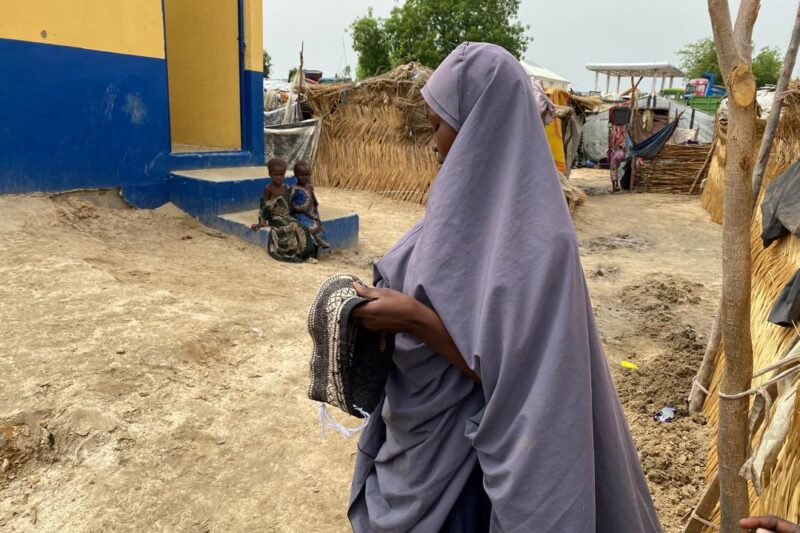
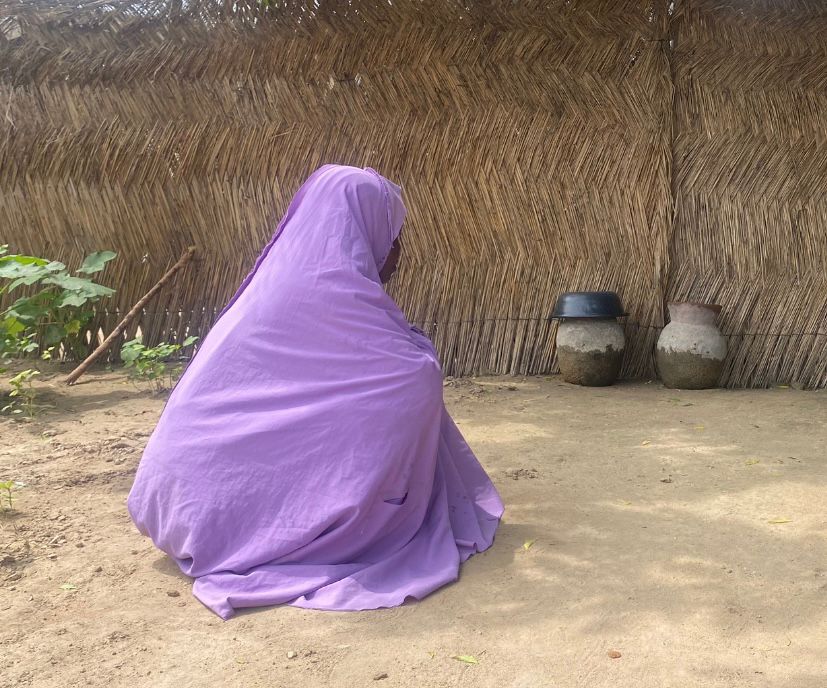
Jalo’s elder sister, Ya-Bawa, expressed deep gratitude for her brother’s release. As the eldest surviving sibling after their parents’ death, she had shouldered family responsibilities, cared for his three children, and endured health challenges and repeated hospitalisations amid years of uncertainty. She earns a living making traditional caps, with limited support from her husband, a trader and farmer. She described the reunion as a profound relief and prayed such separations would never recur.
Official Perspective
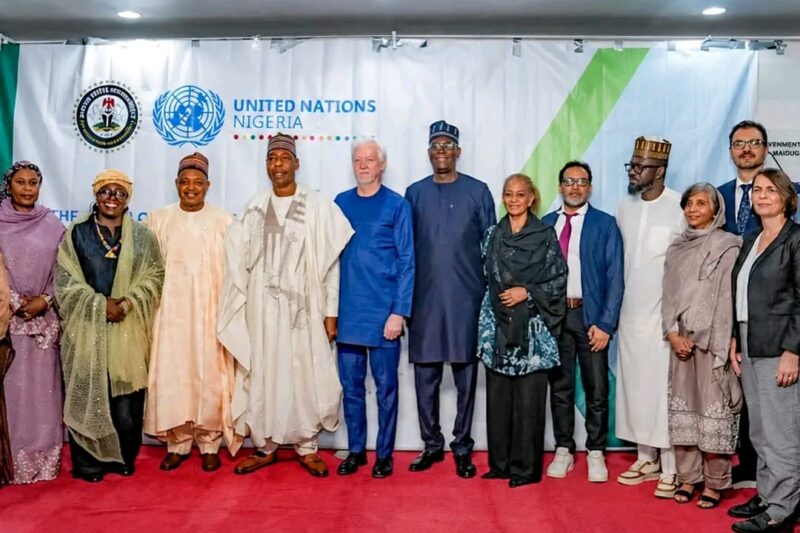
Brigadier General Yusuf Ali, Coordinator of Operation Safe Corridor, briefed journalists during a media tour in Gombe on April 16, 2026. He confirmed that the 700 participants had successfully completed structured deradicalisation, rehabilitation, and reintegration programmes and were ready to return to their communities.
Ali emphasised that not all individuals found in insurgent camps were hardened fighters; many were abducted or forcibly conscripted. He defended the programme as essential, arguing that a purely military approach cannot end recruitment or provide safe exit pathways for those wishing to leave. The initiative includes vocational training, livelihood support, community engagement, and post-release monitoring. The military has rejected claims that reintegrated individuals are being absorbed into security institutions.
Community Acceptance Remains a Challenge
Despite progress, reintegration faces hurdles. Dr. Baba Kura Abubakar, a security specialist in Maiduguri, noted that many residents remain wary of former militants who displaced people, destroyed property, and caused loss of life during the insurgency’s peak.
Some community members have drawn parallels with the Niger Delta amnesty programme, expressing scepticism about government approaches. Dr. Abubakar stressed the need for stronger efforts to promote peaceful coexistence, including monitoring of ex-combatants, accountability for any new offences, and targeted support for victims of the insurgency as compensation and a step toward healing.
As Nigeria continues balancing security and reconciliation in the Northeast, the experiences of Kadai, Jalo, and hundreds of others highlight both the promise and the persistent difficulties of moving from long-term detention to sustainable reintegration.
Falmata Amina Mohammed