Amnesty International has strongly condemned a Nigerian Air Force airstrike that struck a busy weekly market at Jilli along the border between Yobe and Borno states, reportedly killing over 100 civilians, including traders, buyers, and possibly children.
The Incident: Airstrike Hits Busy Market
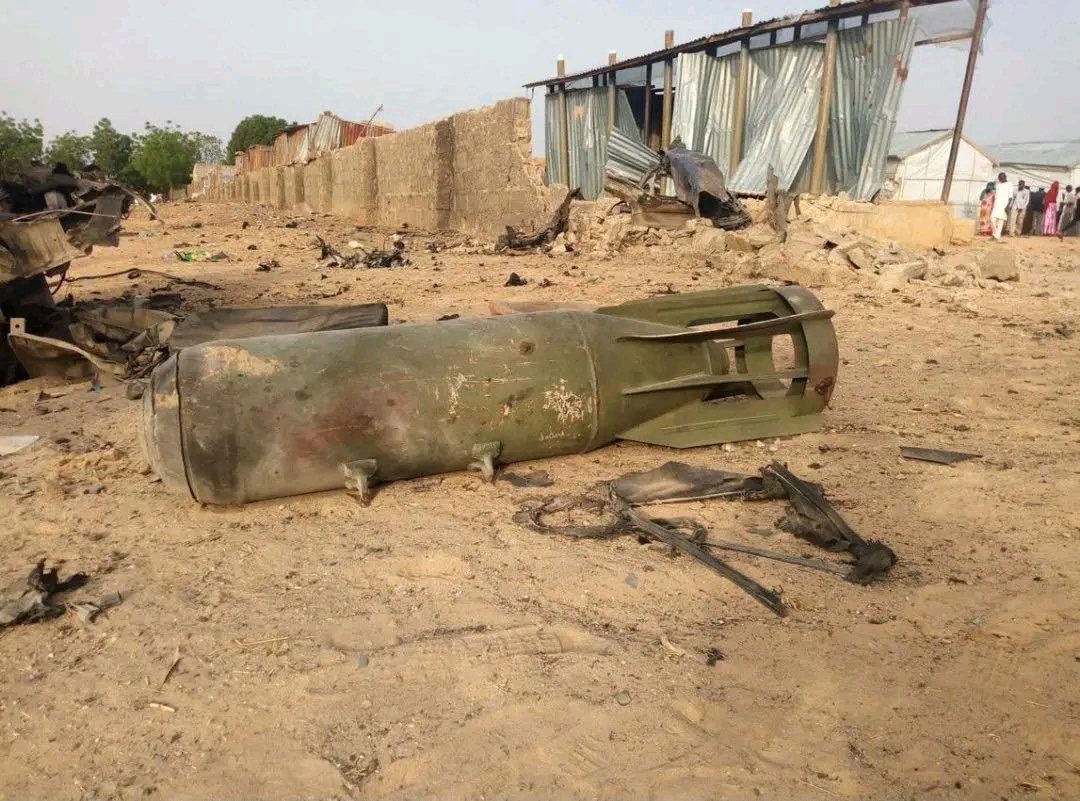
The strike occurred on Saturday evening, April 11, 2026, at Jilli Market in Fucchimiram Ward, Geidam Local Government Area of Yobe State. Witnesses reported that three military jets fired on the market while business activities were ongoing, attracting traders and shoppers from surrounding communities in both Yobe and Borno states, including Gubio, Chiweram, Benisheikh, Gurokayeya, and Geidam.
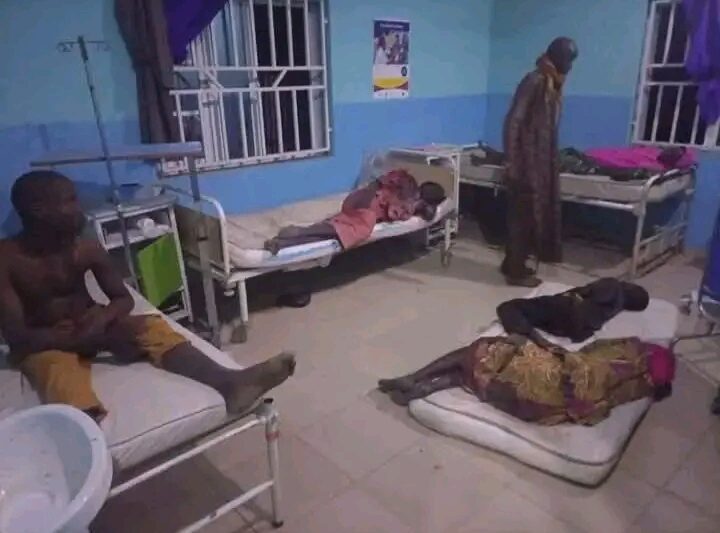
Councillor Lawan Zanna Nur, representing Fucchimiram Ward, who was assisting with victim evacuation at Geidam General Hospital’s emergency ward, described the scene as devastating. “As I am speaking, over 200 people have lost their lives from the airstrike at the market,” he said. Some bodies were recovered from nearby bushes, while injured victims were taken to medical facilities in Geidam, Damaturu, and parts of Borno State. The hospital had so far received at least 35 people with severe injuries. Initial local reports varied between 30 and 56 deaths, but figures rose as rescue efforts continued and more bodies were discovered.
Amnesty International’s Strong Condemnation
Amnesty International described the airstrike as “unlawful and excessive force on a catastrophic scale.” The rights group stated: “Launching air raids is not a legitimate law enforcement method by anyone’s standard. Such reckless use of deadly force is unlawful, outrageous and lays bare the Nigerian military’s shocking disregard for the lives of those it supposedly exists to protect.”
It called on Nigerian authorities to immediately launch an impartial and independent investigation into the incident and ensure that suspected perpetrators are held to account. The organisation emphasised that this is yet another tragic example of Nigeria’s armed forces applying deadly military tactics in a security operation.

Military’s Account: Precision Strike on “Terrorist” Logistics Hub
The Nigerian Air Force, through the Air Component of Joint Task Force (North East) Operation Hadin Kai, confirmed conducting “precision” airstrikes in the Jilli axis of Borno State on April 11. The military described the target as a known “terrorist” enclave and logistics hub used by Islamic State West Africa Province (ISWAP) elements and their collaborators.
According to the statement by Lt. Col. Sani Uba, the operation was intelligence-driven, following suspicious movements of gun trucks and motorcycles converging on the area. It followed recent attacks on security forces, including an IED incident and coordinated assaults. The NAF maintained that scores of “terrorists” were neutralised, their vehicles destroyed, and the strike disrupted imminent terrorist plans. However, the initial statement did not directly address reports of civilian casualties or confirm striking the market itself.
The Nigerian Air Force has since deployed a team, including activation of the Civilian Harm Accident and Investigation Cell (CHAI-Cell), to probe allegations of civilian casualties.
Governor Zulum’s Response and Warning
Borno State Governor Professor Babagana Umara Zulum defended the operation, stating that the Jilli market had been officially closed five years ago by the Borno State Government due to its alleged use as a notorious hub for insurgents and logistics suppliers. “I am in close consultation with the Government of Yobe State and the military hierarchy on the matter,” he said.
Governor Zulum warned residents against aiding, harbouring, or providing logistical support to Boko Haram insurgents. He reiterated his administration’s commitment to safeguarding law-abiding citizens and working with security agencies to restore peace, while urging vigilance and cooperation with security forces.
Yobe State Emergency Management Agency activated response measures, and a senior security adviser noted that the location primarily falls under Borno State jurisdiction for operational details.
Broader Context and Calls for Accountability
This incident echoes previous controversial airstrikes by Nigerian forces in the northeast, where military operations against the long-running Boko Haram and ISWAP insurgencies have occasionally resulted in significant civilian casualties. The region has suffered thousands of deaths and millions displaced over more than 15 years.
As of Monday, April 13, 2026, no comprehensive official casualty figures have been released by federal authorities, and rescue and verification efforts continue. Amnesty International and local voices are pressing for transparency, strict adherence to international humanitarian law, and measures to prevent recurrence in counter-insurgency operations.
The Nigerian military has a history of such operations in the fight against insurgents, but this latest event has triggered widespread outrage and renewed demands for accountability to protect civilian lives.